
TSC Conferences
UPCOMING
2026 San Diego - upcoming Oct 11-16 -
Program/Registration: tsc2026.org
2025
TSC Conference 2025 - Barcelona July 6-13
Program - Barcelona The Science of Consciousness 2025
The Festival of Conference - July 11-13
2024
TSC Conference 2024 - Tucson - 30th Annual
TSC 2024 30th Annual, APRIL 22-26, 2024
Press Release/Announcement Call for Abstracts
Videos - YouTube
2023
Taormina TSC - Sicily May 22-28, 2023
Taormina TSC - Sicily May 22-28, 2023 Taormina TSC - Sicily May 22-28, 2023 … Jan. 9, 2023 Palazzo dei Congressi May …
Neuroscience Needs a Revolution to Understand Consciousness - ENCINITAS, CA
2023 - Neuroscience Needs a Revolution to Understand Consciousness - ENCINITAS 2023 - Neuroscience Needs a Revolution to Understand … July 6, 2023 California - Summer …
… Anirban Bandyopadhyay • Santos Helekar 2023 Taormina The science of consciousness conference -May 23-28, 2023 Taormina Sicily Italy - Palazzo dei Congressi … May 22-28, 2023 - TSC 2023 Taormina, Sicily, Italy …
The Science of Consciousness - Past Conferences
… 28 April 18-23, 2022 Tucson, Arizona - hybrid 2023 - TSC 29 Taormina Italy May 22-28, 2023 2023 - Special Symposium Encinitas, California 2024 …
The Science of Consciousness Conferences - Since 1994
… Lab at University of California San Francisco in 2023, where he moved in 2021, becoming the Ralph Metzner … 2021 and Vox Magazine’s ‘Future 50’ in 2023. His current research program at UC San Francisco … Join our E-list for Conference Updates 2023 - Neuroscience Needs a Revolution to Understand …
… 2025 TSC Barcelona 2024 TSC - Tucson 2023 TSC - Taormina 2022 TSC - Tucson 2021 … up carbonaceous material which it is returning to Earth in 2023. What do Dr. Lauretta and his team hope to find? Quite …
2022 | TSC Conference
Plenary Speakers - full list -Program 2022
Co-Chairs, Sponsors, Committee 2022
CONFERENCE PROGRAM 2022
View | Download
THE SCIENCE OF CONSCIOUSNESS
The Science of Consciousness 2022
April 18-22, 2022
Hybrid Format – In-person & Remote - Live-streamed
Loews Ventana Canyon Resort Tucson Arizona
CO-CHAIRS
STUART HAMEROFF, U ARIZONA
Stuart Hameroff MD is a clinical anesthesiologist and researcher on how the brain produces consciousness, and how anesthetics act to erase it. In medical school in the early 1970s, Hameroff became interested in consciousness, and in protein structures called microtubules inside brain neurons which he came to believe processed information supporting consciousness. In the mid- 1990s he teamed with Sir Roger Penrose to develop the controversial ‘Orch OR’ theory in which consciousness derives from “orchestrated” (“Orch”) microtubule quantum vibrations linked to processes in spacetime geometry, the fine scale structure of the universe, leading to “Penrose objective reduction” (“OR”, hence “Orch OR”). And he has further proposed the ‘microtubule quantum vibration’ theory of anesthetic action. Hameroff organizes the well-known conference series ‘The Science of Consciousness’, has written or edited 5 books and over a hundred scientific articles, and appeared in films and various TV shows about consciousness. With University of Arizona colleagues Jay Sanguinetti, John JB Allen and Shinzen Young, Hameroff is developing transcranial ultrasound (‘TUS’) for treatment of mental and cognitive dysfunction (TUS may resonate endogenous megahertz vibrations in brain microtubules). Penrose- Hameroff Orch OR is one of a group of major theories of consciousness in the Templeton World Charity Foundation project ‘Accelerating Research on Consciousness’, and is currently being tested experimentally.
GEORGE MASHOUR, U MICHIGAN
George A. Mashour, M.D., Ph.D. is an anesthesiologist and NIH-funded neuroscientist at the University of Michigan who studies consciousness and the mechanisms of unconsciousness. Mashour was the founding director of the Center for Consciousness Science at the University of Michigan, where he currently serves as the Robert B. Sweet Professor and Chair of the Department of Anesthesiology. He also founded the Center for Drug Repurposing and serves as Co-Director of the Michigan Institute for Clinical & Health Research. Mashour is a Trustee of the International Anesthesia Research Society and is President-Elect of the Association of University Anesthesiologists. After his undergraduate study of philosophy, he received his M.D. and Ph.D. in Neuroscience from Georgetown University and was an intern, resident, and chief resident in anesthesiology at the Massachusetts General Hospital and Harvard Medical School. Mashour has received numerous institutional and national awards throughout his career, including two Fulbright Scholarships, the Presidential Scholar Award from the American Society of Anesthesiologists, the Distinguished Service Award from the Society for Neuroscience in Anesthesiology and Critical Care, the Excellence in Research Award from the American Society of Anesthesiologists, and election to the National Academy of Medicine.
Program Committee
Co-Chairs: Stuart Hameroff U Arizona; George Mashour, U Michigan
Committee:
Jay Sanguinetti, UArizona - M Bruce MacIver, Stanford U - Dante Lauretta, UArizona - Tom Bever, UArizona;
Abi Behar-Montefiore, UArizona
WORKSHOPS - MONDAY, APRIL 18, 2022 full day - Kiva, Grand Ballroom A|B|C - Speaker Bios
Monday morning sessions, 8:30 am - 12:30 pm
PROGRESS ON DUAL-ASPECT THINKING - Kiva Ballroom - Harald Atmanspacher, The Collegium Helveticum, ETH, Zurich - Paavo Pylkkanen, University of Helsinki | University of Skövde-Dean Rickles, University of Sydney - Robert Prentner, University of Munich
TESTING ORCH OR: UPDATE ON TWCF PROJECT - Grand Ballroom A - Travis Craddock, Nova Southeastern University - Bruce MacIver, Stanford University - Jack Tuszynski, University of Alberta/Politecnico di Torino - Aarat Kalra, Princeton University - Mahed Batarseh, University of Central Florida -Zhean Shen, University of Central Florida - Anirban Bandyopadhyay, NIMS, Tsukuba, Japan - Sir Roger Penrose, Oxford University, Nobel Laureate
CONSCIOUSNESS & ULTRASONIC NEUROMODULATION - Grand Ballroom C - Jay Sanguinetti, University of Arizona - Alexander Bystritsky, UCLA - Martin Monti, UCLA - Seung-Schik Yoo, Harvard University
QUANTUM MECHANICS AND CONSCIOUSNESS - Grand Ballroom B - Justin Riddle, University of North Carolina - Johannes Kleiner, Ludwig Maximilian University of Munich (R) - Kelvin J. McQueen, Chapman University
Afternoon sessions, 2:00 pm - 6:00 pm
EMBEDDED INTELLIGENCE - Grand Ballroom B - Bill Mensch, Western Design Center - Dante Lauretta, University of Arizona - Stuart Hameroff, University of Arizona - Ted Humphrey, Arizona State University (R) - Andrew Maynard, Arizona State University (R)
PLANTS AND CONSCIOUSNESS - Kiva Ballroom - M. Bruce MacIver, Stanford University - Deepak Chopra, Chopra Global - Rainish Khanna, Ph.D., I-Cultiver - Patrisia Gonzales, UArizona - Dennis McKenna, Principal Founder of the McKenna Academy. Board Member, Heffter Research Institute
CONSCIOUSNESS AND NON-LOCALITY - Grand Ballroom A - Stephan A. Schwartz, Saybrook University - Jeffrey Mishlove, New Thinking Allowed; Insight Associates - Julia Mossbridge, University of San Diego, IONS, TILT - Dean Radin, Institute of Noetic Science (IONS)
THE SCIENCE OF CONTEMPLATIVE EXPERIENCE - Grand Ballroom C - Matthew Sacchet, Harvard University - Daniel Ingram, Emergent Phenomenology Research Consortium - Julieta Galante, Cambridge University - Jay Sanguinetti, University of Arizona
Evening session, 7:00 - 10:00 pm
NEUROSPIRITUALITY - Grand Ballroom C - Michael Ferguson, Harvard Medical School - Janae Nelson, Brigham Young University (R) - David Yaden, Johns Hopkins University (R) - Rick Strassman, University of New Mexico (R)
Session 3 - Workshop 9MONDAY EVENING, April 18, 2022 Time: 7:00 pm -9:30 pm - Grand Ballroom BNeurospiritualityMichael Ferguson, Harvard Medical School - Dr. Michael Ferguson, PhD, (a.k.a., NeuroMichael) is a Harvard and Cornell-trained neuroscientist and an academic pioneer in the emerging fields of neurospirituality and spiritual therapeutics. Dr. Ferguson is an Instructor in Neurology at Harvard Medical School and a Lecturer at Harvard Divinity School. Prior to this he was a Course Instructor in Human Development at Cornell University. Dr. Ferguson is preparing to launch the new Laboratory for Neurospirituality in tandem with the Center for Brain Circuit Therapeutics in Boston. He is also organizing a Spiritual Therapeutics medical science research program at Brigham and Women’s Hospital, a teaching hospital for Harvard Medical School. In Fall semester 2021, Dr. Ferguson will be introducing a new course at Harvard titled Neurospirituality. https://neuromichael.com/about/Janae Nelson, Brigham Young University (R) Jenae Nelson received a PhD in Developmental Psychology from Brigham Young University. Nelson uses diverse methodological approaches to study the development of transcendence, virtues, religiosity, and compassion in adolescence and emerging adulthood. Specifically, she is interested in the contributions of unitive consciousness, spiritual perception, God proximity, and sacred rituals in psychosocial maturation. David Yaden, PhD Johns Hopkins UniversityDavid B. Yaden, PhD, studies the measurement and experimental manipulation of mental states called altered states of consciousness. These mental states are often among the most transformative and meaningful moments in people’s lives, yet little is known about how they are triggered, the neurophysiological processes that underlie them, or how they impact the beliefs and behavior of those who have them. His research is currently focused on the therapeutic potential of psychedelic substances for mood and substance use disorders. His scientific research and scholarly writing generally aim to provide a quantitative and empirical 21st-century update to William James’s classic book on the topic, The Varieties of Religious Experience, using: 1) psychometric instruments, 2) computational linguistic analysis, 3) neuroimaging, 4) non-invasive brain stimulation, and 5) psychopharmacology. Psychopharmacologist Roland R. Griffiths, PhD is his current Postdoctoral advisor. He previously studied with neuroscientist Andrew B. Newberg, MD and completed his doctoral training with psychologist Martin E. P. Seligman, PhD at the University of Pennsylvania. He has authored over 40 scientific and scholarly publications and edited two books that provide a scientific perspective on practices and experiences traditionally associated with religion/spirituality: Rituals and Practices in World Religions and Being Called. His research has been covered by The New York Times, The Wall Street Journal, The Washington Post, New York Magazine, Scientific American, CNN, BBC, and NPR. https://hopkinspsychedelic.org/yaden Rick Strassman, University of New Mexico - At UNM, Dr. Strassman performed clinical research investigating the function of the pineal hormone melatonin in which his research group documented the first known role of melatonin in humans. He also began the first new US government approved clinical research with psychedelic drugs in over twenty years, focusing on DMT and to a lesser extent, psilocybin. He received grant support from the National Institutes of Health’s National Institute on Drug Abuse, as well as from the Scottish Rite Foundation for Schizophrenia Research. Before leaving the University in 1995, he attained the rank of tenured Associate Professor of Psychiatry and was awarded the UNM General Clinical Research Center’s Research Scientist Award. In 1984, he received lay ordination in a Western Buddhist order, and co-founded, and for several years administered, a lay Buddhist meditation group associated with the same order. Dr. Strassman underwent a four-year personal psychoanalysis in New Mexico between 1986 and 1990. From 1996 to 2000, while living in the Pacific Northwest of the United States, Dr. Strassman worked in community mental health centers in Washington State in Bellingham and Port Townsend. For the next four years, he had a solo private practice in Taos, New Mexico. After two years working near the Navajo Nation in Gallup NM, he returned to northern New Mexico in 2006, where he provided psychiatric services at a mental health center in Espanola. Since mid-2008, he has been writing full-time. Dr. Strassman’s “DMT: The Spirit Molecule,” an account of his DMT and psilocybin studies, has sold a quarter-million copies as of mid-2021, and been translated into over a dozen languages, including Mandarin. He co-produced an independent documentary by the same name, which was the most-streamed independent drug documentary on Netflix. He also is the author of “DMT and the Soul of Prophecy,” “Joseph Levy Escapes Death,” and a co-author of “Inner Paths to Outer Space.” He has published over 40 peer-reviewed scientific papers and has served as a reviewer for 20 psychiatric research journals. He has been a consultant to the US Food and Drug Administration, National Institute on Drug Abuse, Veteran’s Administration Hospitals, Social Security Administration, and other state and local agencies. He has provided consultation to many of the psychedelic startups that began appearing in 2020, including Atai, MindMed, and The Noetic Fund. He is on the Scientific Advisory Boards for Alexander Shulgin Research Institute and Ninnion Therapeutics. He currently is Clinical Associate Professor of Psychiatry at the University of New Mexico School of Medicine and lives in Gallup, New Mexico. https://www.rickstrassman.com/biography/ |
WORKSHOPS - MONDAY, APRIL 18, 2022 full day - Kiva, Grand Ballroom A|B|C - Speaker Bios
Monday morning sessions, 8:30 am - 12:30 pm
PROGRESS ON DUAL-ASPECT THINKING - Kiva Ballroom - Harald Atmanspacher, The Collegium Helveticum, ETH, Zurich - Paavo Pylkkanen, University of Helsinki | University of Skövde-Dean Rickles, University of Sydney - Robert Prentner, University of Munich
TESTING ORCH OR: UPDATE ON TWCF PROJECT - Grand Ballroom A - Travis Craddock, Nova Southeastern University - Bruce MacIver, Stanford University - Jack Tuszynski, University of Alberta/Politecnico di Torino - Aarat Kalra, Princeton University - Mahed Batarseh, University of Central Florida -Zhean Shen, University of Central Florida - Anirban Bandyopadhyay, NIMS, Tsukuba, Japan - Sir Roger Penrose, Oxford University, Nobel Laureate
CONSCIOUSNESS & ULTRASONIC NEUROMODULATION - Grand Ballroom C - Jay Sanguinetti, University of Arizona - Alexander Bystritsky, UCLA - Martin Monti, UCLA - Seung-Schik Yoo, Harvard University
QUANTUM MECHANICS AND CONSCIOUSNESS - Grand Ballroom B - Justin Riddle, University of North Carolina - Johannes Kleiner, Ludwig Maximilian University of Munich (R) - Kelvin J. McQueen, Chapman University
Afternoon sessions, 2:00 pm - 6:00 pm
EMBEDDED INTELLIGENCE - Grand Ballroom B - Bill Mensch, Western Design Center - Dante Lauretta, University of Arizona - Stuart Hameroff, University of Arizona - Ted Humphrey, Arizona State University (R) - Andrew Maynard, Arizona State University (R)
PLANTS AND CONSCIOUSNESS - Kiva Ballroom - M. Bruce MacIver, Stanford University - Deepak Chopra, Chopra Global - Rainish Khanna, Ph.D., I-Cultiver - Patrisia Gonzales, UArizona - Dennis McKenna, Principal Founder of the McKenna Academy. Board Member, Heffter Research Institute
CONSCIOUSNESS AND NON-LOCALITY - Grand Ballroom A - Stephan A. Schwartz, Saybrook University - Jeffrey Mishlove, New Thinking Allowed; Insight Associates - Julia Mossbridge, University of San Diego, IONS, TILT - Dean Radin, Institute of Noetic Science (IONS)
THE SCIENCE OF CONTEMPLATIVE EXPERIENCE - Grand Ballroom C - Matthew Sacchet, Harvard University - Daniel Ingram, Emergent Phenomenology Research Consortium - Julieta Galante, Cambridge University - Jay Sanguinetti, University of Arizona
Evening session, 7:00 - 10:00 pm
NEUROSPIRITUALITY - Grand Ballroom C - Michael Ferguson, Harvard Medical School - Janae Nelson, Brigham Young University (R) - David Yaden, Johns Hopkins University (R) - Rick Strassman, University of New Mexico (R)
Session 3 - Workshop 9
MONDAY EVENING, April 18, 2022 Time: 7:00 pm -9:30 pm - Grand Ballroom B
Neurospirituality
Michael Ferguson, Harvard Medical School - Dr. Michael Ferguson, PhD, (a.k.a., NeuroMichael) is a Harvard and Cornell-trained neuroscientist and an academic pioneer in the emerging fields of neurospirituality and spiritual therapeutics. Dr. Ferguson is an Instructor in Neurology at Harvard Medical School and a Lecturer at Harvard Divinity School. Prior to this he was a Course Instructor in Human Development at Cornell University. Dr. Ferguson is preparing to launch the new Laboratory for Neurospirituality in tandem with the Center for Brain Circuit Therapeutics in Boston. He is also organizing a Spiritual Therapeutics medical science research program at Brigham and Women’s Hospital, a teaching hospital for Harvard Medical School. In Fall semester 2021, Dr. Ferguson will be introducing a new course at Harvard titled Neurospirituality. https://neuromichael.com/about/
Janae Nelson, Brigham Young University (R) Jenae Nelson received a PhD in Developmental Psychology from Brigham Young University. Nelson uses diverse methodological approaches to study the development of transcendence, virtues, religiosity, and compassion in adolescence and emerging adulthood. Specifically, she is interested in the contributions of unitive consciousness, spiritual perception, God proximity, and sacred rituals in psychosocial maturation.
David Yaden, PhD Johns Hopkins University
David B. Yaden, PhD, studies the measurement and experimental manipulation of mental states called altered states of consciousness. These mental states are often among the most transformative and meaningful moments in people’s lives, yet little is known about how they are triggered, the neurophysiological processes that underlie them, or how they impact the beliefs and behavior of those who have them. His research is currently focused on the therapeutic potential of psychedelic substances for mood and substance use disorders. His scientific research and scholarly writing generally aim to provide a quantitative and empirical 21st-century update to William James’s classic book on the topic, The Varieties of Religious Experience, using: 1) psychometric instruments, 2) computational linguistic analysis, 3) neuroimaging, 4) non-invasive brain stimulation, and 5) psychopharmacology. Psychopharmacologist Roland R. Griffiths, PhD is his current Postdoctoral advisor. He previously studied with neuroscientist Andrew B. Newberg, MD and completed his doctoral training with psychologist Martin E. P. Seligman, PhD at the University of Pennsylvania. He has authored over 40 scientific and scholarly publications and edited two books that provide a scientific perspective on practices and experiences traditionally associated with religion/spirituality: Rituals and Practices in World Religions and Being Called. His research has been covered by The New York Times, The Wall Street Journal, The Washington Post, New York Magazine, Scientific American, CNN, BBC, and NPR. https://hopkinspsychedelic.org/yaden
Rick Strassman, University of New Mexico - At UNM, Dr. Strassman performed clinical research investigating the function of the pineal hormone melatonin in which his research group documented the first known role of melatonin in humans. He also began the first new US government approved clinical research with psychedelic drugs in over twenty years, focusing on DMT and to a lesser extent, psilocybin. He received grant support from the National Institutes of Health’s National Institute on Drug Abuse, as well as from the Scottish Rite Foundation for Schizophrenia Research. Before leaving the University in 1995, he attained the rank of tenured Associate Professor of Psychiatry and was awarded the UNM General Clinical Research Center’s Research Scientist Award. In 1984, he received lay ordination in a Western Buddhist order, and co-founded, and for several years administered, a lay Buddhist meditation group associated with the same order. Dr. Strassman underwent a four-year personal psychoanalysis in New Mexico between 1986 and 1990. From 1996 to 2000, while living in the Pacific Northwest of the United States, Dr. Strassman worked in community mental health centers in Washington State in Bellingham and Port Townsend. For the next four years, he had a solo private practice in Taos, New Mexico. After two years working near the Navajo Nation in Gallup NM, he returned to northern New Mexico in 2006, where he provided psychiatric services at a mental health center in Espanola. Since mid-2008, he has been writing full-time. Dr. Strassman’s “DMT: The Spirit Molecule,” an account of his DMT and psilocybin studies, has sold a quarter-million copies as of mid-2021, and been translated into over a dozen languages, including Mandarin. He co-produced an independent documentary by the same name, which was the most-streamed independent drug documentary on Netflix. He also is the author of “DMT and the Soul of Prophecy,” “Joseph Levy Escapes Death,” and a co-author of “Inner Paths to Outer Space.” He has published over 40 peer-reviewed scientific papers and has served as a reviewer for 20 psychiatric research journals. He has been a consultant to the US Food and Drug Administration, National Institute on Drug Abuse, Veteran’s Administration Hospitals, Social Security Administration, and other state and local agencies. He has provided consultation to many of the psychedelic startups that began appearing in 2020, including Atai, MindMed, and The Noetic Fund. He is on the Scientific Advisory Boards for Alexander Shulgin Research Institute and Ninnion Therapeutics. He currently is Clinical Associate Professor of Psychiatry at the University of New Mexico School of Medicine and lives in Gallup, New Mexico. https://www.rickstrassman.com/biography/
2021Special Program - Science & Roger Penrose - Webinar 2020 Psychedelics SymposiumThe Science of Consciousness Online Conference - Livestream & On Demand
September 14-18, 2020 MST
TSC 2020 - PROGRAM
"PSYCHEDELICS SYMPOSIUM"
Day 1
Monday Evening, September 14, 2020 LIVESTREAM
7:00 PM - 10:00 PM MST
PSYCHEDELICS: EXPERIENCE, THERAPY AND SCIENCE
Moderated by Andrew Weil and Stuart Hameroff
Short talks:
Stuart Hameroff “Introduction”;
Andrew Weil “History and overview of psychedelic usage”;
Robin Carhart-Harris “Psychedelics and brain imaging”;
Julie Holland “Connection through chemistry”;
Michael Pollan “How to change your mind”;
Mellody Hayes “Consciousness medicine”
Louis Schwartzberg “Psychedelics, consciousness and film”
Panel:
Selen Atasoy “Psychedelics and brain harmonics”;
Christopher Timmermann-Slater “DMT and human EEG”;
Ede Frecksa “Cellular effects of DMT”;
Mark Rasenick “Psychedelics and neuronal signaling”;
Gül Dölen “MDMA effects in octopus”;
Katja Ehrman “Psilocybin in depression 1;
Francisco Moreno “Psilocybin in depression 2”;
Luis Eduardo Luna “Inner paths to outer space”;
Dennis McKenna “Psilocybin mushrooms”;
Paul Stamets “Medicinal fungi”;
Sue Blackmore “Psychedelic Insights?”
Short Talk Bios
Andrew Weil, M.D., is a world-renowned leader and pioneer in the field of integrative medicine, a healing-oriented approach to health care which encompasses body, mind, and spirit. Combining a Harvard education and a lifetime of practicing natural and preventive medicine, Dr. Weil is the founder and director of the Andrew Weil Center for Integrative Medicine at the University of Arizona, where he also holds the Lovell-Jones Endowed Chair in Integrative Rheumatology, and is Clinical Professor of Medicine and Professor of Public Health. The Center is the leading effort in the world to develop a comprehensive curriculum in integrative medicine. Graduates serve as directors of integrative medicine programs throughout the United States, and through its fellowship, the Center is now training doctors and nurse practitioners around the world. Dr. Weil is an internationally recognized expert for his views on leading a healthy lifestyle, his philosophy of healthy aging, and his critique of the future of medicine and health care.
Stuart Hameroff, M.D., joined the Department of Anesthesiology at the University of Arizona in 1975. Aside from his full-time clinical role, Dr. Hameroff’s academic and research interests have related to the study of consciousness, how the brain produces conscious experience, and how anesthetics erase it. He has written or edited 5 books, more than one hundred articles, and discussed the science of consciousness in numerous TV shows on BBC, Discover Channel, History Channel, PBS, OWN, and in the film “What the Bleep?” As Director of the Center for Consciousness Studies at the University of Arizona, Hameroff co-chairs the conference series The Science of Consciousness, since 1994. Following an interest which began in medical school in the computational capacity of microtubules inside neurons, Dr. Hameroff teamed up with the eminent British physicist Sir Roger Penrose in the early 90's and is co-developer with Penrose of the highly controversial theory of consciousness called ‘orchestrated objective reduction’ (Orch OR), based on quantum computations in microtubules.
Link to PubMed research-Hameroff
Michael Pollan is currently the Lewis K. Chan Arts Lecturer and Professor of the Practice of NonFiction at Harvard University. Since 2003, Pollan has held the John S. and James L. Knight Professor of Journalism at UC Berkeley’s Graduate School of Journalism. For more than thirty years, Michael Kevin Pollan has been writing books and articles about the places where nature and culture intersect: on our plates, in our farms and gardens, and in our minds. He is the author of the new book How to Change Your Mind: What the New Science of Psychedelics Teaches Us About Consciousness, Dying, Addiction, Depression, and Transcendence and five New York Times bestsellers: Cooked: A Natural History of Transformation (2013), Food Rules: An Eater’s Manual (2010); In Defense of Food: An Eater’s Manifesto (2008); The Omnivore’s Dilemma: A Natural History of Four Meals (2006) and The Botany of Desire: A Plant’s-Eye View of the World (2001).
Robin Carhart-Harris, PhD
Dr Robin Carhart-Harris moved to Imperial College London in 2008 after obtaining a PhD in Psychopharmacology from the University of Bristol and an MA in Psychoanalysis from Brunel University. At Imperial, he has designed and/or carried out human brain imaging studies with a variety of psychedelic compounds, plus a clinical trial of psilocybin for treatment-resistant depression, and a current study comparing psilocybin with escitalopram for major depressive disorder. In 2019, he set up the Centre for Psychedelic Research at Imperial College London and serves as its Director and Head of Centre.
Julie Holland, M.D. is a psychiatrist specializing in psychopharmacology with a private practice in New York City. Her book “Weekends at Bellevue” chronicles her nine years running the psychiatric emergency room as an attending physician on the faculty of NYU School of Medicine. Frequently featured on the Today show and CNN’s documentary series “Weed,” Holland is the editor of "The Pot Book" and "Ecstasy: The Complete Guide." (Both books are non-profit projects that help to fund clinical therapeutic research.) Dr. Holland is the medical monitor for several MAPS PTSD studies utilizing MDMA-assisted psychotherapy or testing strains of cannabis with varying CBD/THC ratios. She has worked for decades on US drug policy reform based on harm reduction principles. Her 2016 book, “MoodyBitches: The Truth About The Drugs You're Taking, the Sleep You're Missing, the Sex You're Not Having, and What's Really Making You Crazy” has been translated into eleven languages. Her most recent book, Good Chemistry: The Science of Connection, From Soul to Psychedelics was published in June 2020.
Mellody Hayes, M.D., is a graduate of Harvard College and UCSF Medical School. A UCSF trained-anesthesiologist, she experienced her own journey to personal empowerment, and is passionate about helping others transform experiences of suffering into self-knowledge and personal power. She lectures on use of psychedelic medicine and is co-founder of Ceremony Health.
Louis Schwartzberg
Louie Schwartzberg is an award-winning cinematographer, director and producer who has spent his notable career providing breathtaking imagery using his time-lapse, high-speed and macro cinematography techniques. Schwartzberg is a visual artist who breaks barriers, connects with audiences, and tells stories that celebrate life and reveal the mysteries and wisdom of nature, people, and places.
Louie’s recent theatrical releases include the 3D IMAX film Mysteries of the Unseen World, Wings of Life for Disney Nature, narrated by Meryl Streep, and Fantastic Fungi, now available online at Fantasticfungi.com. The film achieved a 100% score on Rotten Tomatoes as well as the #1 documentary on iTunes! His TED talks have over 60 million views on YouTube and his Moving art series on Netflix is in season three. Schwartzberg’s Visual Healing is an offering of unique high-definition, immersive films that seamlessly bring nature and technology together to deliver positive physical, emotional and psychological benefits. The Visual Healing program is used to transform spaces in spas, lobbies, private suites, conference spaces, hospitals, and sports and recreation facilities into life-like natural environments. Visual Healing programs are currently being used in healthcare at UCSD, The Center for Brain Health at The University of Texas at Dallas, as well as numerous luxury hotels, spas, and galleries. For Schwartzberg, the greatest satisfaction is creating works that inspire audiences to celebrate Life and protect what we love.
Gül Dölen, M.D., Ph.D. is an Associate Professor in the Department of Neuroscience, Brain Science Institute, Wendy Klag Center for Autism & Developmental Disabilities, Kavli Neuroscience Discovery Institute. Dr. Dölen is the recipient of several prestigious awards including: the Joukowsky Family Foundation Outstanding Dissertation Award, the Conquer Fragile X Rising Star Award, the Angus MacDonald Award for Excellence in Undergraduate Teaching, theSociety for Social Neuroscience Early Career Award, the Searle Scholars Award, and the Johns Hopkins University President’s Frontier Award. She joined the faculty at Johns Hopkins in 2014.
9:30 PM - 10:00 PM MST Psychedelics Symposium Discussion / Audience Q & A
Keynote Speakers
Robin Carhart-Harris, University of California San Francisco
PSYCHEDELICS
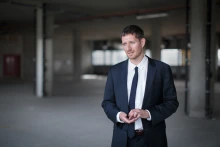
ROBIN CARHART-HARRIS, Ralph Metzner Distinguished Professor, Director of Neuroscape Psychedelics Division, Department of. Neurology, University of California, San Francisco
Robin Carhart-Harris moved to Imperial College London in 2008 after obtaining a PhD in Psychopharmacology from the University of Bristol, focused on the serotonin system, and an MA in Psychoanalysis from Brunel University, 2005. Robin has designed human brain imaging studies with LSD, psilocybin, MDMA and DMT, a clinical trial of psilocybin for treatment-resistant depression, a double-blind randomized controlled trial comparing psilocybin with the SSRI, escitalopram, for depression, published in the New England Journal of Medicine, and a multimodal imaging study in first time users of psilocybin. Robin has published over 100 scientific papers. He founded the Centre for Psychedelic Research at Imperial College London in April 2019, the first of its kind. In 2021, he was listed in TIME magazine’s ‘100 Next’, a list of 100 rising stars shaping the future. Also in 2021, he moved to University of California, San Francisco, becoming the Ralph Metzner Distinguished Professor in Neurology and Psychiatry. At UCSF, Robin will serve as Director of the new Psychedelics Division within the translational neuroscience Centre, Neuroscape.
Abstract Title: Psychedelics: Brain Mechanisms, Robin Carhart-Harris, UCSF
The talk takes a multi-level approach to the question of how psychedelics work in the brain. Key themes include: the pharmacology of classic serotonergic psychedelics, what this tells us about the current, developmental and evolutionary function of serotonin 2A receptor signaling, the acute brain effects of psychedelics as determined by functional brain imaging, current evidence for psychedelic therapy, the 'REBUS' model of the action of psychedelics, and how this maps on to the phenomenology of the acute psychedelic experience and therapeutic outcomes. The talk will end with a focus on a recent double-blind RCT comparing psilocybin therapy with an established antidepressant drug in the treatment of depression.
Christof Koch, Ph.D., Allen Institute for Brain Science
BRAIN CONSCIOUSNESS
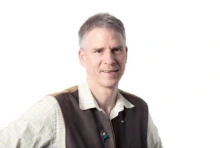
CHRISTOF KOCH, Ph.D., Chief Scientist and President, Allen Institute for Brain Science, Seattle, Washington and Chief Scientist of the MindScope Program.
Christof received his baccalaureate from the Lycée Descartes in Rabat, Morocco, his B.S. and M.S. in physics from the University of Tübingen in Germany and his Ph.D. from the Max-Planck Institute for biological Cybernetics in 1982. Subsequently, he spent four years as a postdoctoral fellow in the Artificial Intelligence Laboratory and the Brain and Cognitive Sciences Department at the Massachusetts Institute of Technology. From 1987 until 2013, Koch was a professor at the California Institute of Technology (Caltech) in Pasadena, from his initial appointment as Assistant Professor, Division of Biology and Division of Engineering and Applied Sciences in 1986, to his final position as Lois and Victor Troendle Professor of Cognitive & Behavioral Biology. See here for Christof's academic pedigree and his students. Christof joined the Allen Institute for Brain Science as Chief Scientific Officer in 2011 and became President in 2015. Christof’s passion are neurons – the atoms of perception, memory, behavior and consciousness – their diverse shapes, electrical behaviors, and their computational function within the mammalian brain, in particular in neocortex. The Allen Institute for Brain Science is engaged in a major effort to identify all the different types of neurons in the brains of mice and humans – the cell census effort. See the papers below. Christof discovered that in vivo cortical neurons do not integrate over large number of small inputs given their spiking variability, how neurons can multiply, the relationship between intra- and extra-cellular potential, and how this gives rise to the local field potential and the large-scale current sinks and sources and how weak extracellular fields can entrain spiking activity via ephaptic effects. He postulated the attentional saliency map hypothesis for biological and computer vision according to which one or more topographic organized spatial maps summarize bottom-up salient information in the visual system, he co-discovered, with Itzhak Fried, an high-level, invariant and abstract single neuron representation of familiar individuals and objects in the human medial temporal lobe (the so-called “Jennifer Aniston” or concept neurons) and developed the ‘continuous flashed suppression’ masking technique. In collaboration with Francis Crick, he initiated the modern search for the neuronal correlates of consciousness, a systematic experimental program to identify the minimal bio-physical mechanisms jointly sufficient for any one specific conscious percept. In collaboration with Giulio Tononi, he co-developed the Integrated Information Theory of consciousness.
Abstract: Brain and Consciousness, Christof Koch, PhD, Mindscope Program, Allen Institute, Tiny Blue Dot Foundation
I will discuss what we can reasonably state about consciousness and its neuronal footprints in the mammalian brain, in particular the cortex, how to detect its presence and how psychedelics might affect these footprints
Avi Loeb, Harvard University
ASTROBIOLOGY AND ASTROCONSCIOUSNESS
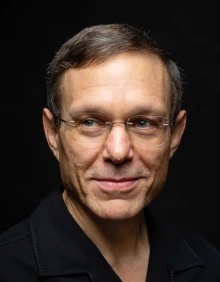
ABRAHAM (AVI) LOEB is the Frank B. Baird, Jr., Professor of Science at Harvard University and a bestselling author (in lists of the New York Times, Wall Street Journal, Publishers Weekly, Die Zeit, Der Spiegel, L'Express and more).
Avi Loeb received a PhD in Physics from the Hebrew University of Jerusalem in Israel at age 24 (1980-1986), led the first international project supported by the Strategic Defense Initiative (1983-1988), and was subsequently a long-term member of the Institute for Advanced Study (1988-1993). Loeb has written 8 books, including most recently, Extraterrestrial (Houghton Mifflin Harcourt, 2021), and about 800 papers (with an h-index of 117) on a wide range of topics, including black holes, the first stars, the search for extraterrestrial life and the future of the Universe. Loeb is the head of the Galileo Project in search for extraterrestrial intelligence, the Director of the Institute for Theory and Computation (2007-present) within the Harvard-Smithsonian Center for Astrophysics , and also serves as the Head of the Galileo Project (2021-present). He had been the longest serving Chair of Harvard's Department of Astronomy (2011-2020) and the Founding Director of Harvard's Black Hole Initiative (2016-2021). He is an elected fellow of the American Academy of Arts & Sciences the American Physical Society, and the .International Academy of Astronautics. Loeb is a a former member of the President's Council of Advisors on Science and Technology (PCAST) at the White House, a former chair of the Board on Physics and Astronomy of the National Academies (2018-2021) and a current member of the Advisory Board for "Einstein: Visualize the Impossible" of the Hebrew University. He also chairs the Advisory Committee for the Breakthrough Starshot Initiative (2016-present) and serves as the Science Theory Director for all Initiatives of the Breakthrough Prize Foundation. In 2012, TIME magazine selected Loeb as one of the 25 most influential people in space and in 2020 Loeb was selected among the 14 most inspiring Israelis of the last decade. Click here for Loeb's commentaries on innovation and diversity. https://www.cfa.harvard.edu/~loeb/
Abstract Title: The Galileo Project: In Search for Technological Interstellar Objects - Avi Loeb, Professor of Science, Harvard University
The search for extraterrestrial life is one of the most exciting frontiers in science. First tentative clues were identified close to Earth in the form of the unusual interstellar object `Oumuamua and Unidentified Aerial Phenomena (UAP) in the Earth's atmosphere. The recently announced "Galileo Project" ushers the new frontier of "space archaeology" in search of extraterrestrial technological relics. The lecture will feature content from my book "Extraterrestrial", as well as the textbook "Life in the Cosmos", both published in 2021. Related material was also featured in my weekly commentaries in Scientific American and Medium.
David Chalmers, New York University
"REALITY+ : From the matrix to the metaverse".
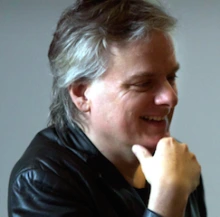
DAVID CHALMERS
David Chalmers is University Professor of Philosophy and Neural Science and co-director of the Center for Mind, Brain, and Consciousness at New York University. He is the author of _The Conscious Mind_ (1996) and of Reality+: Virtual Worlds and the Problems of Philosophy (2022). He is known for formulating the “hard problem” of consciousness, for the idea of the “extended mind,” and for the thesis that virtual reality is genuine reality.
David Chalmers was featured in the New York Times Magazine, Dec. 10, 2021 - Interview with David Marchese - 'Can We Have a Meaningful Life in a Virtual World'
Reality+: Virtual Worlds and the Problems of Philosophy will be published by W.W. Norton (US) and Allen Lane (UK) on January 25, 2022. Here’s an excerpt.
Former Director, Center for Consciousness Studies, University of Arizona. Faculty positions included, UC Santa Cruz, University of Arizona, Australian National University. PhD, Philosophy and Cognitive Science, Indiana University; McDonnell Fellow at Washington University; Rhodes Scholar in Pure Maths and Computer Science at the University of Adelaide in Australia. David Chalmers is Co-Founder, Center for Consciousness Studies, Tucson. Chalmers’s writings include: Philosophy of Mind; The Conscious Mind; The Character of Consciousness; Constructing the World; Mind and Consciousness; Facing Up to the Problem of Consciousness.
DAVID CHALMERS WEBSITE http://consc.net/
David Chalmers, Professor of Philosophy and Neural Science, New York University
I'll argue that virtual reality is genuine reality. A simulated universe such as the Matrix could be indistinguishable from physical reality. Such a reality need not be illusory. The same goes for the Metaverse: the virtual worlds that we will create in coming decades with virtual and augmented reality technology. I will argue that Metaverse-style virtual worlds are genuine realities, and that we can live a meaningful life in these virtual worlds.
TSC 2020 - Plenary & Keynote Sessions 2020
The Science of Consciousness Online Conference - Livestream & On Demand
September 14-18, 2020 MST
TSC 2020 - PROGRAM
"PSYCHEDELICS SYMPOSIUM"
Day 1
Monday Evening, September 14, 2020 LIVESTREAM
7:00 PM - 10:00 PM MST
PSYCHEDELICS: EXPERIENCE, THERAPY AND SCIENCE
Moderated by Andrew Weil and Stuart Hameroff
Short talks:
Stuart Hameroff “Introduction”;
Andrew Weil “History and overview of psychedelic usage”;
Robin Carhart-Harris “Psychedelics and brain imaging”;
Julie Holland “Connection through chemistry”;
Michael Pollan “How to change your mind”;
Mellody Hayes “Consciousness medicine”
Louis Schwartzberg “Psychedelics, consciousness and film”
Panel:
Selen Atasoy “Psychedelics and brain harmonics”;
Christopher Timmermann-Slater “DMT and human EEG”;
Ede Frecksa “Cellular effects of DMT”;
Mark Rasenick “Psychedelics and neuronal signaling”;
Gül Dölen “MDMA effects in octopus”;
Katja Ehrman “Psilocybin in depression 1;
Francisco Moreno “Psilocybin in depression 2”;
Luis Eduardo Luna “Inner paths to outer space”;
Dennis McKenna “Psilocybin mushrooms”;
Paul Stamets “Medicinal fungi”;
Sue Blackmore “Psychedelic Insights?”
Concurrent Sessions - ABSTRACTS
Concurrent Sessions / Authors / Abstract Titles
C1: Concepts of Consciousness
Live Zoom discussion Tuesday September 15th, 5:00 pm to 5:45 pm
Zoom Channel 1, Chair: William S. Robinson
William S. Robinson, Dis-illusioning Experience (MODERATOR-ZOOM DISCUSSION)
Jakub Mihalik, Panqualityism, Awareness and the Explanatory Gap
Adam Safron, Integrated World Modeling Theory (IWMT): Combining Integrated Information and Global Workspace Theories with the Free Energy Principle and Active Inference Framework
Frank Heile Ph.D., An Explanation of Consciousness
Nikolaus Von Stillfried, Juxtaposing David Bohm's 'New Theory of the Relationship of Mind and Matter' and Russelian Monism In Order to Make Progress on the Problem of 'Direct Phenomenal Concepts'
C2: AI / Machine Consciousness 1
Live Zoom discussion Tuesday 15th, 6:00 pm to 6:45 pm
Zoom Channel 1, Chair: Lenore Blum
Antonio Chella, Robot Self-consciousness By Inner Speech and Mental Images Generation
Andrew Knight, Refuting Algorithmic Consciousness: Why Mind Uploading and Conscious Computers are Impossible
Lenore Blum, What Can Theoretical Computer Science Contribute to the Discussion of Consciousness?
Daniel Montoya, Selfhood and Consciousness in Artificial Intelligence
Steven Schkolne, The Attention Schema of Linux
Mihretu Guta, Artificial Intelligence and Metaphysical Limitations with Implications for the Nature of the Self and the Phenomenal Consciousness
Florian Habermacher, Illusionism as Underappreciated Risk of AI? - Does AI Lure People to Illusionism and Undermine Altruism and Society?
C3: Idealism, Panpsychism and Neutral Monism
Live Zoom discussion Tuesday 15th, 7:00 pm to 7:45 pm
Zoom Channel 1, Chair: Peter Lloyd
Peter Lloyd, Idealism and Space-time: Relativistic Constraints on the Interface Between Mind and Physical Construct Within Mental Monism
Craig DeLancey, Consciousness as Sampling of an Information-Dense Environment
Kao-Cheng Huang, Karmic Space-time In Consciousness
Michael Silberstein, Jamesian Neutral Monism: All of the Perks of Panpsychism with None of the Headaches
Gerard Blommestijn, How in the Penrose-Hameroff Paradigm the Forms of Space-time Curvatures Can be Connected with the Eternal Platonic Ideas or Forms in the Qualia of our Experiences and Choices
Sydney Lamb, The Field of Consciousness as a Network of Relationships: Support for Idealism from Theoretical Linguistics
Seymen Atasoy, Idealism in Consciousness Studies, Dominant Cultural Narratives, and Social Change
C4: Neural Correlates of Consciousness 1
Live Zoom discussion Tuesday 15th, 5:00 pm to 5:45 pm
Zoom Channel 2, Chair: Logan Trujillo
Oleg Soloviov, Towards The General Brain Activity Theory (gbt): Seven Principles of Informational Activity of the Brain by Means of Phenomenon of Consciousness
Melia Bonomo, Modularity Allows Classification of Human Brain Networks During Music and Speech Perception
Gabriele Penazzi, Functional Brain Activity in Altered States of Consciousness Induced By Mechanical Stimulation of the Olfactory Epithelium
Jessica Knoetzele, Do we perceive the world differently if we need to evaluate our percept? - an EEG study
Logan Trujillo, Objective Self-awareness and Predictive Coding: A Useful Theoretical Framework for Understanding the Role of Consciousness in Violent Behavior
Rajnish Khanna, A Unifying Theory of Consciousness Involving Psychoactive Molecules as Informational Signaling Mechanisms
Dongju Yang, The hierarchy system of functional human brain revealed by intracranial electroencephalography.
Yuta Nishiyama, What is a Difference Between Disownership Feeling and Loss of Ownership Feeling Over One's Own Body?
C5: Ketamine and Consciousness
Live Zoom discussion Tuesday 15th, 6:00 pm to 6:45 pm
Zoom Channel 2, Chair: Scott Shannon
Mitchell Head, Analgesic Effects of Ketamine Versus Its Novel Analogue, SN35210: Insights from Tail-flick Responses and Brain Activation in Rats
Jennifer Montjoy, Inducing Non-ordinary States of Consciousness in Psychiatry: Ketamine-assisted Psychotherapy
Thomas Varley, The Differential Effects of Propofol and Ketamine on Discrete State-Transition Dynamics in the Brain
Scott Shannon, Gamma Synchrony, Ketamine and the Shaping of Consciousness
Raquel Bennett, Paradigms of Ketamine Treatment: Biochemical, Psychological, and Psychedelic
C6: Education
Live Zoom discussion Tuesday 15th, 6:00 pm to 6:45 pm
Zoom Channel 3, Chair: Leslie Allan Combs
Donna Thomas, Who am I? Exploring the nature of self, experience and reality with children
Anton Sukhoverkhov, Social Memory and The Origin of Human Nature
Scott Koshland, Application of the Principles of Learning Theory to the Organization and Development of Living Systems (life) and Consciousness.
Cody Kaneshiro, Validating Participant's Skill in Apprehending Inner Experience Using Descriptive Experience Sampling: Do Participants Become More Skilled Over Time?
Maria Kasmirli, The Role of Imagination in Teaching Philosophy and the Philosophy of Consciousness
Fatima Alaoui, Can School Become Therapeutic?
C7: Time and Consciousness
Live Zoom discussion Tuesday 15th, 5:00 pm to 5:45 pm
Zoom Channel 3, Chair: Stephen Deiss
Justin Riddle, Nested Observer Windows (NOW): A Theory of Scale-free Cognition
Francoise Tibika, It's About Time
John Sanfey, Time is the Key to Physical Laws of Consciousness
Ronald Gruber, From Physical Time to a Dualistic Model of Human Time
Stephen Deiss, Is Consciousness or Time Real? "It's About Time" - We were careful what we reify.
Jürgen Kornmeier, Using the Perceptual Past to Predict the Perceptual Future Influences the Consciously Perceived Present - A Novel ERP Paradigm
Joe Campbell, Libet Experiments & Free Will Denialism
Jeff Tollaksen, A New Approach to 'Becoming Time' part 1
Gurucharan Khalsa, A New Approach to Becoming Time, part 2
C8: Quantum Biology
Live Zoom discussion Tuesday 15, 7:00 pm to 7:45 pm
Zoom Channel 2, Chair: Aarat Kalra
Chris Rourk, Indication of Quantum Mechanical Electron Transport in Human Substantia Nigra Tissue From Conductive Atomic Force Microscopy Analysis.
Majid Beshkar, The Qbit Theory of Consciousness
Glen Rein, A New Model of Consciousness Based on Virtual Photons Generated from Phase Conjugation in the Brain
Gregory Scholes, Quantum effects in biology?
Daya Krishnananda, Probing the non-classicality of the biological system of NP corona using classical electrodynamic experiments in GHz range
Christoph Simon, Could quantum entanglement help explain consciousness?
WEDNESDAY Sept 16
C9: Medicine / Healing
Live Zoom discussion Wednesday Sept. 16th, 5:00 pm to 5:45 pm
Zoom Channel 2, Chair: Garrett Yount
Broc Pagni, Mindfulness Training Alters Neural Activity During Self-reflection: Treating Depression Symptomatology in Adults with Autism
Michael Kutch, Attention Without Thought & Being Fully Alive
Mac Davis, Crispr Consciousness: Gene Splicing Your Bodymind for Health and Happiness
Garret Yount, Measuring Effects of Biofield Therapies in the Laboratory: A Pilot Study Focused on Pain Alleviation
Behrouz Radnassab, The Effect of Fara-darmani Consciousness Filed on the Survival and Death of Breast Cancer MCF7 Cells
Ingrid Fredriksson, Epigenetics Control Health and Disease and Consciousness Influence Epigenetics
Shantilal Goradia, The Implications of our Research on Alzheimer's/consciousness
C10: Panpsychism
Live Zoom discussion Wednesday Sept. 16th, 5:00 pm to 5:45 pm
Zoom Channel 1, Chair: Uzi Awret
Nino Kadic, Dynamic Selves: An Outline for a New Type of Panpsychism
Uziel Awret, Ads/cft Duality and the Meta-challenge
Ethan Makulec, Panpsychism and the Physics of Consciousness: IIT, Orch-OR, and the Combination Problem
Gregory Miller, On the Possibility of a Mereological Argument Panpsychism
Brian Archibald, Realizing Consciousness Through the Model of Physiophenomenalism
C11: Hard Problem
Live Zoom discussion Wednesday Sept. 16th, 6:00 pm to 6:45 pm
Zoom Channel 1, Chair: Anand Rangarajan
Brian Key, Pain in fish and molluscs - why the multiple realisability argument fails
Paulo Negro, A Blueprint for the Hard Problem of Consciousness: The self is void and the mind its avatar
Jeremy Sherman, Stumped by the Hard Problem? First Things First: An Introduction To Deacon's Teleodynamic Explanation for Unconscious Effort - The Struggle for Existence.
Bryce Bearden, On the Referent of the Term "Phenomenal Consciousness"
Carlos Acosta, Mind, Matter and Phenomenal Experience
Eric Sabin, Is Consciousness a "Field"?
Ben Meyer, The Lure of Consciousness
Krzysztof Dolega, What Do Illusionists Mean When They Talk About "what-it-is-likeness" of Conscious Experience?
Christian Dietmar Schade, Revisiting Consciousness Within Quantum Mechanics: Executing Free Will Via Vectorial Choices in the Clustered-Minds Multiverse
Anand Rangarajan, Modeling Strawson's Thin Subjects Using Category Theory
C12: Phenomenology and Consciousness
Live Zoom discussion Friday Sept 18th , 6:00 pm to 6:45 pm
Zoom Channel 1, Chair: Alex Dayer
Alex Dayer, Attention and Mind-wandering In Skilled Behavior: An Argument for Pluralism
Quentin Raffaelli, Quantifying the Stream of Consciousness: An Empirical Investigation into the Emergence and Dynamics of Thought
Milena Braticevic, Psychophysiological Effects of Increasing Awareness of Nondual Consciousness and the Natural State in Young Adults with Depression And Anxiety
Jac O'Keeffe, How to Approach Phenomenal Consciousness
Ian Kanair, States of Consciousness: Phenomenological Data and Biophysical Concurrences within Many Worlds Interpretations
C13: Ontology of Consciousness 1
Live Zoom discussion Wednesday Sept. 16th, 7:00 pm to 7:45 pm
Zoom Channel 2, Chair: Kristjan Loorits
Kristjan Loorits, Phenomenality As A Perspectival Artefact
Scott Olsen, Plato's Golden Numbering System: Biometric Anomalies, Abduction and the Ontological Roots of Consciousness
An Chin Chen, There is No Free Will, Only Will to Freedom
James Beichler, A Comprehensive New Paradigm for Consciousness: From Sensations of the External World to Neural Correlates, Whole-brain Coherence and the Whole Cosmos
J. Scott Jordan, Wild Systems Theory as a 21st Century Coherence Ontology for the Science of Consciousness
C14: Quantum Brain Theories
Live Zoom discussion Wednesday 16th, 7:00 pm to 7:45 pm
Zoom Channel 2, Chair: Donald Mender
James Tagg, Interaction Between Quantum Mechanics And General Relativity Might Lead To Non-computable Processing In The Brain.
Akihiro Nishiyama, Memory Formations in Non-equilibrium Quantum Brain Dynamics
Donald Matthew Mender, Q-deformed Physics and Effective Psychophysics
Thomas Brophy, A-theory: Toward a Quantum-physics-friendly Ontology of Free Will
Anirban Bandyopadhyay, Defining Orch: Dodecanion geometric algebra and space-time-topology-prime metric
Jan Walleczek, False-positives in the Radin Double-slit Experiment on the Psycho-physical Effects of Observer Consciousness
C15: Neural Correlates of Consciousness 2
Live Zoom discussion Wednesday Sept. 16th, 5:00 pm to 5:45 pm
Zoom Channel 3, Chair: James Broadway
Hyoungkyu Kim, Criticality as a Determinant of Integrated Information - In Human Brain Networks
Hisashi Murakami, Anticipatory collective human behavior: Path-seeking of pedestrians through a crowd
Javier A. Galadi, Energy Landscape Of The Whole-brain Dynamics In Coma, Vegetative States, And Related Disorders
Alexander Egoyan, Two Complementary Models of Human Perception: Two-dimensional Holographic and Three-dimensional Realistic and Relationship between Them
Yicong Lin, EEG and Functional MRI-guided Simultaneous Transcranial Direct Current Stimulation and Repetitive Transcranial Magnetic Stimulation in a Patient with Minimally Conscious State
Andrea de Paiva, Multisensory Experience Contributions to Unimodal Consciousness: The Importance of Architecture in the Discussion
Cedric Cannard, A Big-data Study of Well-being and its EEG Correlates
Ksenia Toropova, The effects of traumatic experience on behavior, neuronal activity, and functional connections in the conscious mouse brain resting state networks
C16: Evolution and Consciousness
Live Zoom discussion Wednesday Sept.16th, 6:00 pm to 6:45 pm
Zoom Channel 2, Chair: James Beran
Kasey Markel, Pavlov's Plants? Not So Fast.
James Beran, Bolder and Better, But Not Simpler: Protein interaction hypotheses for evolution of consciousness
Paraskevi Papadopoulou, Quantum Evolution Caught in Action: Why and How Specific Adaptations of Major Plant Divisions are Similar to Chordata Vertebrata Classes Adaptations
Daniel Beal, Panspermia and Consciousness
C17: Psychedelics and Mystical Experiences
Live Zoom discussion Wednesday Sept. 16th, 6:00 pm to 6:45 pm
Zoom Channel 3, Chair: Carl Johan Calleman
Rosemary Flickinger, Benefits of Mindful Metaphor in Connection with Preparation for Psychedelic Sessions
Jeffrey L. Beck, The Mystic in the Machine: An Interpretation of Mystical Experience Through the Lens of Controls Engineering.
Kimberly McCann, "As Raw As It Can Be, Like Vulnerable and Unapologetic": A Qualitative Study of Mystical Experience in Ordinary Life
Michael Landis, Bewyldering ... The Entropic and Psychedelic Capacity (the Neural and Noetic Complexification Capacity) of Cognitive Pedagogical/Learning Regimes and Course Design in Higher-Ed.
Adele Lafrance, Family-based Psychedelic-assisted Psychotherapy: Innovations in Research and Practice
Thomas Ray, Sex in the Time of Plague: Awakening Melatonin Into the Entourage
Carl Johan Calleman, Introducing Macrocosmic Quantum Theory to Explain How Psychedelics Work
FRIDAY
C18: Ontology of Consciousness 2
Live Zoom discussion Friday Sept. 18th, 5:00 pm to 5:45 pm
Zoom Channel 1, Chair: Riccardo Manzotti
Anton Kuznetsov, Ontological Justice for Consciousness
Garrett Mindt, Developing a Robust Neutral Monism: A Conjunction of Neutral Monism and Information-theoretic Structural Realism
Riccardo Manzotti, The Mind-object Identity Hypothesis
Roger Christan Schriner, The Annotated Mind: Knowing Our Experiences the Instant They Occur
Mark Pharoah, From Biological Mechanism to Meaning
Adrienne Prettyman, The Philosophical Significance of Diffuse Attention
David Murphy, Explanation and the Hypothesis of Extended Cognition: Scouting a Way Forward
Luis Favela, Extended Cognition? Yes. Extended Consciousness? No.
C19: Neural Correlates of Consciousness 3
Live Zoom discussion Friday Sept. 18th, 5:00 pm to 5:45 pm
Zoom Channel 2, Chair: TBA
William Bosl, A Data-driven approach to measuring conscious and unconscious brain function
Kenneth Kishida, Ultra-fast Monitoring of Neurotransmitter Micro-fluctuations During Choice and Subjective Experience in Humans
Vincent Zarcone Jr, The Neuroscience of Concepts and Consciousness
Konstantin Anokhin, Neuronal Encoding of Awareness for Type and Place of Objects in Young and Old Mice
Mark Valladares, Proprioceptive Feel as a Summation of Oscillatory Resonance
Isaac Christian, Alterations in Connectivity Patterns by Cognitive State and Mental Disorder Status May Suggest Different Neural Patterns of Consciousness
Ewa Andrzejak, Brain On Fire: Mechanisms Of Autoimmune Encephalitis Presenting With Psychosis, Seizures And Altered Levels Of Consciousness
Peter Grindrod, Cortex-like Complex Systems: What Occurs Within?
Steven Gubka, Emotions: Bodily Feelings or Evaluative Perception?
Lindsay Briner, Further Reaches Of Human Motivation
C20: Anesthesia
Live Zoom discussion Friday 18th, 5:00 pm to 5:45 pm
Zoom Channel 2, Chair: M Bruce MacIver
Bruce MacIver, Nonlinear Dynamics Analyses of EEG Signals Capture Brain States at Different Levels of Consciousness
Matthew I. Banks, Cortical Connectivity Indexes Arousal State During Sleep and Anesthesia
Heonsoo Lee, Neuronal dynamics in visual cortex under conscious and anesthetized conditions
Anthony G. Hudetz, Local Neuronal Connectivity Contributes to Loss and Return of Consciousness During Anesthesia
Sarah Eagleman, Nitrous Oxide Decreases Electroencephalogram Complexity, But Not Frequency Content at Loss of Consciousness
Teo Jeon Shin, Changes In Information Processing In Propofol-induced Deep Sedation In Volunteers Using Electroencephalography
C21: Dreaming and the Unconscious
Live Zoom discussion Friday Sept 18th, 6:00 pm to 6:45 pm
Zoom Channel 3, Chair: James Pagel
Rishit Das, Unconscious Cognitions and Emotion: The Bridge Between Subliminal Stimuli and Its Influence on Emotion
Katherine Mohr, Dreaming in the Holo-net: Dreaming and Consciousness in a Holographic Universe
James Pagel, Parasomnia Dreams: The Other Forms of Sleep-associated Consciousness
Rinaldo Livio Perri, Hypnotic Suggestions May Reduce The Conflict Between The Automatic And The Intentional Processes. Behavioral And Neurophysiological Evidence From The Stroop Task.
Rubin Naiman, Resurrecting Morpheus: Healing the Silent Epidemic of Dream Loss
Stephen LaBerge, Lucid Dreaming Allows Voluntary Perception During REM Sleep: I. Background and Behavioral Evidence
Paul Kalas, New evidence for precognition through dreams
Thomas Wilson, Awareness of Implicit Priming of Self-disclosure
C22: Meditation and Mysticism
Live Zoom discussion Wednesday 18th, 7:00 pm to 7:45 pm
Zoom Channel 3, Chair, Dianne Trussell
Lars Sandved Smith, Towards a Computational Neuroscience of Meditation and Self Awareness
Dianne Trussell, Physiological and Subjective Correlates of Three Types of Body-focused Meditation: A Pilot Study
Tracy Brandmeyer, A Neural Marker for Training Focused Attention Meditation: Closed-loop FM Neurofeedback
Noa Latham, Mystical Experiences and Epistemic Justification
Dani Caputi, Consciousness and Music Festivals: Increasing the Effect Sizes of Psychophysical Interactions
Erola Pons, The Sense of Self In Meditation and Depersonalization
Scott Forrer, Healing of Memories: Data Repair and Transfiguration by Means of Consciousness and Engaged Meditation
J Dudeja, Scientific Analysis of Mantra-based Meditation and Its Beneficial Effects
Sakunthala SK, The Science of Consciousness From the Ancient Scientists of India
C23: Nonlocal Consciousness
Live Zoom discussion Friday Sept 18th, 7:00 pm to 7:45 pm
Zoom Channel 3, Chair, Arnaud Delorme
Scott Ventureyra, Artificial Intelligence, the Nature of Consciousness, Information, Reality and the Possibility of the Afterlife
Gary Schwartz, Computer Automated, Multi-center, Multi-blinded, Randomized Control Trial of Hypothesized Spirit Presence and Communication
James Lake, An Integral Model of the Near-Death Experience: Neural and Quantum Mechanisms
Arnaud Delorme, Accuracy and Neural Correlates of Blinded Mediumship Compared to Controls on Image Classification Task
Maria Stewart, Investigation of Non-inferential Perception and Associated Cognitive Aspects
Raja Choudhury, Conversations With The Void: 112 Non-dual Tantric Meditation Hacks for Altering Your Consciousness and Experiencing The Void
Christine Simmonds-Moore, Exploring The Correlates And Nature Of Exceptional Experiences In A Psychomanteum
Sonia Rinaldi, Giving Voice To Those Who Cannot Speak
C24: Visual / Literature / Media (+ Art Tech Health + PO 6.0)
Live Zoom discussion Friday 18th, 7:00 pm to 7:45 pm
Zoom Channel 2, Chair, Sascha Seifert
Nick Day, Painting the World with Fractals: How Creative Expression Reveals a Deeper Order of Reality and Consciousness
Sascha Seifert, Can Social Media Ever Become Conscious Again? - 2020 Snapshot on the Meta Analysis
Ana Eva Iribas-Rudin, From postal art to a visit of the muses: Susan Hiller's 'Draw Together' and 'Sisters of Menon'
Stuart Moody, Hidden Technologies: A Complementary Approach to Ecosystem Management?
Christopher Wittum, Idealist Realism
Hilda Sotelo, Critical Organic Writing to Decode Oppression
Peter Sapaty, Symbiosis of Real and Simulated Worlds Under Global Awareness and Consciousness
Shoshannah Bryn Jones Square, Making Waves: Ripples of Consciousness in Mary Shelley's Frankenstein
C25: Consciousness and Fundamental Models
Live Zoom discussion Friday Sept. 18th, 7:00 pm to 7:45 pm
Zoom Channel 3, Chair, Nancy J Woolf
Nancy J. Woolf, The Conscious Matrix: Our Portal to Universal Truth and Connection
Goutam Ghosh, A Four Layered Cosmopsychist Model of Reality based on Vedanta for Deriving Materiality from Consciousness - Solving the Reverse Hard Problem
Fredric Schiffer, Consciousness and Good and Evil
Alexander Aris, A Noncomputable Level Iv Multiverse, Universal Consciousness And The Living Cosmos
Daniela Munoz-Jimenez, From Fundamental Forces to Fundamental Meanings: Life, Consciousness and Morality
Dennis Balson, Protoconsciousness/Energy and Matter
Burton Voorhees, Consciousness and Culture in the Imaginal World
Posters
Primary tabs
All posters will be on demand throughout the week, available 24/7.
The Virtual Event platform will have Q & A and chat rooms available for each poster, concurrent, workshop, art-tech and wellness session.
Poster Report updating
P1: Posters (Posters will be divided by Category on the Event Dashboard)
1.0 Philosophy
2.0 Neuroscience
3.0 Cognitive Science & Psychology
4.0 Physical & Biological Sciences
5.0 Experiential Approaches
6.0 Culture, Humanities
POSTERS
1.0 Philosophy
Being and Truth A Phenomenal Interpretation Applied to Duns Scotus's Individual Theory Jiayang Sun (Philosophy, Princeton University, Princeton, NJ China) [75]
Consciousness Independent of the Physical Brain and How we Transform Objective Reality into Qualia - The X-Structure N-B Therner , Steen Loeth; Arnold Therner (Advanced Institute of Ontological Principles and New Science, NCP X-AIONS New Cosmic Paradigm, Skovde, Sweden) [45]
Consciousness, Ontology and Transmigration: Memories of Other Worlds Kala Perkins (Bioethics, EuBios Institute, Woodside, CA ) [40]
Contours of Consciousness: A Graphical Approach to Modeling the Operational Domain of Subjective Experience Martin Baranowski (Biological and Physical Sciences, Passaic County Community College, Paterson, NJ) [16]
Cooperator experiencers and Openness for Reality Breno Hax Junior (Philosophy, Federal University of Parana, Curitiba, Parana Brazil) [30]
Cube Consciousness David Hettinger (Stepping Stone Content LLC, Barrington, IL ) [61]
Discovery and Distinction of Awareness, Consciousness and Cumconsciousness Deepak Loomba (Delhi, DELHI India) [7]
Do We Need to Reformulate the Mind-Body Problem as a World-Brain Problem? Empirical Evidence and its Ontological Implications Xiangqun Chen (Philosophy, Nanchang University of China, Nanchang, Jiangxi China) [69]
Field Panpsychism Greg Horne (Philosophy, University of Toronto, Toronto, Ontario Canada) [31]
Idealism, Dualism, Physicalism and Subjective Experience Stephen Pollaine , Dani Caputi; Leo Madrid Jr. (Occidental, CA ) [73]
Inputs, Outputs, Metamodels Aida Elamrani-Raoult (ENS, Institut Jean Nicod, Paris, France) [77]
Inter-Spacial Abstraction - an idea which begins with quantized space and a question: "If space comes in bits . . . what's between the bits"? Gary Blaise (Author, San Francisco, CA ) [57]
Key Errors in the Philosophy of Mind Debate Cicero Cortel (Philosophy, De la Salle Zobel School/ University of Sto.Tomas, Las Pi?as, METRO MANILA Philippines) [28]
Life and Consciousness Beyond Death - The X-Structure; The Nature of Life and Immortality Steen Loeth , Arnold Therner; N-B Therner (Advanced Institute of Ontological Principles and New Science, NCP X-AIONS New Cosmic Paradigm, Skovde, Sweden) [35]
Maya is Reality and Brain Creates It Alok Bajpai (Psychiatry, Regency Hospital, Kanpur, UP India) [1]
Orch-OR In A Process/Event Ontology Jesse Bettinger (Bellwether Institute, Santa Clara, CA ) [27]
Scheme of Consciousness, A Hypothetical Structure of Conscious Perception Pooya Mazloomi (NYC, NEW YORK Iran (Islamic Republic Of)) [8]
Sixteen Variations in Consciousness James Olson (Origin Press, Waynoka, OK ) [72]
Soul Atom in the Mid-brain Balaji Raju (Light Bridge Foundation, Pondicherry, Pondicherry India) [65]
Subjective Perspectivity, Intentionality, and Qualitative Character. Experience and Report. John Strozier (Science, Mathematics,Technology, SUNY, Empire State College, Saratoga Springs, NY ) [68]
The Conscious Notion of Time: Is there a Time without Consciousness; and, Is there a Consciousness without Time? Nirodha Gunadasa (Intropsectors.org, Colombo, HEIYANTHUDUWA Sri Lanka) [5]
The Discovery of Objective Consciousness as a Problem for Physics Richard Hilbert (Sociology/Anthrpology, Gustavus Adolphus College, Flagstaff, AZ ) [6]
The Existence Framework: Existence as the Carrier of Consciousness and a Fundamental Element of the Universe Richard Blum (Computer Science, Coastal Carolina University - Retired, Myrtle Beach, SC ) [17]
The Hard Problem Forrest Landry (Ronin Institute, Rancho Santa Fe, CA ) [63]
The Orientation of Experience, A Bridge Between Consciousness and Perception Johanna Bassols (Miami Shores, FL ) [86]
The role of consciousness as a method to control the accuracy of our actions in order to reduce the noise effect. Amrit Andres Ramchandani Chugani (Synapse Machine, Iquique, Tarapaca Chile) [10]
The Waveform of Consciousness Michael Freitag (Ocala, FL ) [4]
Theories of Consciousness, Philosophical Replication and Inferring to the Best Explanation on the Bases of Empirical Support Asger Kirkeby-Hinrup (Department of Philosophy, University of Lund, Lund, Scania, Sweden) [71]
Topological Segmentation: How Dynamic Stability Can Solve the Combination Problem for Panpsychism Andres Gomez Emilsson (Qualia Research Institute, Colma, CA ) [53]
Towards an Experimental Science of Natural Consciousness Danny A. J. Gomez-Ramirez (Software Development, University Pascual Bravo, Bello, ANTIOQUIA Colombia) [21]
Towards the Theory of Consciousness Through Concepts and Their Situation Relevancy Viljo Martikainen (Department Of Industrial Engin, Aalto University School of Science and Technology, Espoo, UUSIMAA Finland) [38]
Two Perceptual Mechanisms - Vibrations in the Eye and Entities Over the Cortex (that offer a simplified mathematical model of connectome global brain dynamics) Ashley Willis (Perception Theory Ptd Ltd, Ocean Grove, VICTORIA Australia) [88]
With Liberty and Justice For All: An Examination of the Ethical Duties of Consciousness C Winifred Jackson (College of Liberal Arts, Oregon State University, Dallas, OR) [48]
2.0 Neuroscience
A Reduced Level of Consciousness Primarily Affects Non-conscious Processes Johan Eriksson , Fontan, A., Lindgren, L., Pedale, T., Bergstrom, F., Brorsson, C. (Umea University, Umea, Sweden) [126]
Brain Stimulation Through Crystal Singing Bowl Sound Healing Martha Birkett (Amaryllis Crystal Garden, Cochrane, AB Canada) [145]
Comparing Cognitive States Using Portable EEG Aaron Tesch (Psychology, University of Arizona South, Tucson, AZ ) [111]
Effects of Auditory Binaural Beats on Consciousness and the Human Nervous System Elizabeth Krasnoff (Sound Medicine, Milll Valley, CA ) [117]
Examples of Neural Anatomy Found Throughout Art History and How it Relates to Consciousness Brad Klausen (KINGSTON, WA ) [97]
How Evidence Based is "Evidence Based" Medicine? Implications for Future Directions in Neuropsychology and Neuroethics. Rado Gorjup , N. Gorjup, ASC, Research And Development, Ltd., Slovenia, EU (Cognitive Science, ASC, Research and Development, Ltd, Slovenia, EU, Nova Gorica, EU, SLOVENIA Slovenia) [123]
Investigation of the Brain Electromagnetic Behavior During Fara-darmani (fara-therapy) Connection in a Faratherapist Population Farid Semsarha , Mohammad Ali Taheri; Behrouz Radnassab; Fateme Modaresi Asem; Pouya Paknejad; Laleh Amani (IBB, Cosmointel Inc., Tehran, Iran (Islamic Republic Of)) [110]
Moore's Law and Bci: Toward a Better Toolkit for Mapping Consciousness Don Dulchinos (Neurosphere Institute, Boulder, CO ) [106]
Sparse Populations of Dopaminergic and Non-dopaminergic Neurons Regulate Downstream Dopamine Release in the Nucleus Accumbens Stephen Cowen , Daniel F. Hill, Zachary Olson, Mitchell J. Bartlett, Torsten Falk, Michael L. Heien, Stephen L. Cowen (Psychology, University of Arizona, Tucson, ARIZONA ) [166]
The Origin of Quantum Vibrations and the Role of Metaphysical Observer in the Operation of Microtubules in the Human Brain Santosh Kaware (Independent Researcher, Mumbai, MAHARASHTRA India) [134]
3.0 Cognitive Science & Psychology
Approaching the Hard Problem Through Affective Psychology and Proactive Approaches to Health Michael Scott (Encinitas, CA ) [178]
Are You Going To Kill Me or Feed Me? An Exploration of the Autonomic Nervous System and Polyvagal Theory Jenny Simon (Tucson, AZ ) [181]
Correlating Mediums' Accuracy under Quintuple-blind Conditions with their Sensory Modality Preferences Julie Beischel , Lisa Conboy (Windbridge Research Center, Tucson, AZ ) [171]
Entheogenic Elders: How the Psychedelic Renaissance and Conscious Activism can Transform our Stories of Personal Aging, Collective Well-being and Planetary Healing Arthur Mitchell (LIT Coaching, Tucson, AZ ) [177]
Examining the Neural and Cognitive Basis of the Mindfulness-Creativity Link: A Pilot Study Crystal Jewell (Ames, IOWA ) [192]
Hindsight is 20/20 and self-knowledge is power. Bonnie C. Ihme (Honor, MI ) [188]
Investigating the Practical Function of Creativity and Innovation to Improve Learning Quality Using Spiritual (inner) Intelligence via Consciousness Field Sara Hemati , Mohammad Ali Taheri; Nima Khodadad (Cosmointel Inc, Toronto, ON Canada) [191]
Investigation of the Effectiveness of Consciousness Filed (in Psymentotherapy Method) on Women's Anxiety Reduction in Comparison with Behavior Therapy Zahra Rasouli , Mohammad Ali Taheri; Afshin Lorestani; Mohammad Ghamari (Cosmointel Inc., Tehran, ) [198]
Metaphor - Volatile Quantum of Meaning or Formula of Structuredness of Consciousness Elena Menshikova (New Institute for Cultural Research (Moscow), Moscow, Russian Federation) [179]
The Examination of the Effect Consciousness Fields (in Fara-darmani and Psymentotherapy Methods) on Meaning of Life, Personality and God Perception for the Clients In Erfane-kamal Center in Tehran Arezoo Pedram Nia , Mohammad Ali Taheri; Afshin Lorestani; Monir Haddad; Azita Pooyanfar (Cosmointel Inc., Tehran, Iran (Islamic Republic Of)) [197]
4.0. Physical & Biological Sciences
A New Physics of The Matrix: The World as a Holographic Simulation Sky Nelson-Isaacs (Theiss Research, El Cerrito, CA ) [222]
Alleviative Effects of Fara-darmani Consciousness Field on Triticum aestivum L. under Salinity Stress Sara Torabi , Mohammad Ali Taheri; Noushin Nabavi (Cosmointel Inc., Tehran, Iran (Islamic Republic Of)) [243]
Beyond Belief: The Implications Of Transcendent Experience On Physical Models Of Reality Joseph Heer , Joseph Heer (Interaction Matters, Chillicothe, OH) (Interaction Matters, Chillicothe, OH ) [219]
Consciousness-based Frameworks for Particle Physics within the Vedas Mauricio Garrido (Bhaktivedanta Institute of Higher Studies, Gainesville, Florida ) [207]
Contrary Physics of Consciousness Force James Gruhl (Tucson, ARIZONA ) [264]
Cosmic Fire Studies: An Academic Approach to the Esoteric Philosophy of Alice A. Bailey David Borsos (Oakland, CA ) [230]
Does the Stock Market Provide Indirect Evidence of the Scientific Validity of Orch OR David Smolker (Apollo Beach, FL ) [263]
Electric Field Induced Structural Perturbations In Microtubules: Can We Stimulate and Detect Solitons? Greger Hammarin , Per Borjesson (Chemistry And Molecular Biology, University of Gothenburg, Gothenburg, Sweden) [240]
Emergence In The Time Of Covid-19 Augusta Gooch (Philosophy, University Of Alabama-Huntsville, Lacey's Spring, ALA ) [233]
Evaluation of Depression, Anxiety, Stress and Headache Indices in Migraine Patients During Conventional Therapies Under Influence of Consciousness Fields Suraya Behbudi , Mohammad Ali Taheri; Noushin Nabavi; Zahra MoeiniBakhsh (Cosmointel Inc., Tehran, Iran (Islamic Republic Of)) [251]
Gravity And Consciousness As An Explanation Of Dark Matter And Dark Energy Alon Retter (Hamatara Emet - The Interdisciplinary Science And Consciousness Institute, Shoham, ISRAEL Israel) [232]
Healing The Physical Body Through Meditation Lawrence (Loren) Costantini (LorenFlower, LLC, Milford, CT ) [253]
Influence of the Consciousness Field on the Cement Properties and Behavior Bahareh Kazazi , Mohammad Ali Taheri; Azadeh Meshkin-Far (Civil Engineering, Cosmointel Inc., Tehran, Iran (Islamic Republic Of)) [266]
Introduction to the Black Hole Brain Conjecture: Testable Models Based on the Evolution of an Optimized Brain Michael Swezey-Gleason (Pheonix, AZ ) [226]
It from Bit or Bit from It? Ontology of Mental Space via "quanglebit" Jennifer Nielsen (Department of Philosophy, University of Kansas, Lawrence, KS ) [202]
Layered Ternary Harmony Story (LTHS) 1.1, a Universal Operating System Pru Mendez (Harmonic Paradise Studios, Reno, NV ) [236]
Looking Beyond the Limits of Physics Dan McAran (Toronto, ONTARIO Canada) [201]
Many Worlds - One Mind: Quantum Neural Networks Hypercomputation As An Explanation of Consciousness Driven Wavefunction Collapse. Luis Javier Camargo Perez , Munoz-Jimenez Daniela (Center of Frontier Research and Philosophy, Tlalpan, CDMX Mexico) [200]
Measuring Non-computability: Can we relate this to the 3 dimensions of space? John Small (Mindoro Marine Ltd, Faversham, Kent United Kingdom) [224]
My Self, My Health: How Consciousness and Personality Impact Vitality Candice Thomas (My Self | My Health, Tucson, AZ ) [255]
Phonetic Consciousness DNA Instrument of Life Chandra Prakash Trivedi , Dr. S.P.S Chauhan, Raviprakash Arya; Aseem Trivedi (Education, Vedic Research Institute, Ratlam Former Principal MJS P.G.College, Bhind, Indore, M.P. India) [244]
Quantum Entanglement, Coincidence, Synchronicity and Law of Karma Rulin Xiu , Dr. Zhi Gang Sha (Theoretical Research Departmen, Institute of Soul Healing and Enlightenment, Keaau, HI ) [213]
Several Physical Systems and Phenomena Comply with Mohammad Ali Taheri's Theory of the Mono-form Universe Mehrnaz Monzavi , Mohammad Ali Taheri; Azadeh Meshkin-Far; Matin Rahnama (Cosmointel Inc, Christchurch, New Zealand) [262]
Sound, Water, and Crystals: Revealing the Mystery of Consciousness John St Claire (California Institute of Human Science, La Costa, CA ) [241]
The Choice-making Theory of Consciousness Mark Friedman (Santa Fe Policy Institute, Santa Fe, NM ) [247]
The Mirror Model Sandro Guerra (Aventura, FL ) [265]
The Predictive Brain State: The Solution to the Impossibility of Being Conscious and Interacting in the Present; Or, how the Brain Interacts with Space/time. Jamshid Ghajar (Neurosurgery, Stanford University, Palo Alto, CA ) [217]
The Relationship Between Time, the Pineal Gland, DMT and Human Health Alethea Black (Little A Books, Santa Monica, CA ) [252]
The Role of Hypnotic Regression In Understanding Human Evolution and Consciousness Linda Backman (The Ravenheart Center, Erie, COLORADO ) [245]
The Torus and Wave-Based Matter - Three Observations Mark Brooks (From a Different Perspective LLC, Charlotte, North Carolina ) [214]
Visualizing the Morphic Fields with the Yi Jing and Synchronicity Gabriel Felley (Yintelligence, Zurich, ZH Switzerland) [216]
5.0. Experiential Approaches
2020 The Great Revelation Is Love Liliana Lorna Villanueva (Liliana Lorna, Guadalajara, Mexico) [311]
A Firsthand Report of An Individual's Experience Participating in a Traditional Costa Rican Ayahuasca Ceremony George Naratadam , George T. Naratadam, BS; Jason Narikkattu, MS; Safeer Shah MD (San Antonio, TEXAS ) [292]
A Qualitative Investigation of the Beliefs and Internal Experiences of Mediums Lisa Conboy , Pamela Hill; Guljan Nurmuradova; Nguyet-Nga Wolverton; Mark Boccuzzi; Julie Beischel (Gastroenterology, BIDMC-Harvard Medical School, Watertown, MA ) [268]
An Integrated Approach To Increase Global Consciousness For System Sustainability And Better Worldliness, A Solution Against Global Perils. Parashar Ami (Birr, AARAU Switzerland) [272]
Consciousness Ejection Into a Parallel Universe: Crucial Factor in Achieving Time Travel and Anti-aging Taras Handziy (Ternopil, Ukraine) [278]
Consciousness is GOD (Gravity Of Divinity), GOD is SOUL (Source Of Universal LIGHT) & Light Is Gravity's Hidden Torque = Light Is GOD's Holy Trait. Sridattadev Kancharla (WWW.ABCDEFG.CO, Cary, NC ) [309]
Conversation, Consciousness and Evolution Carl Flygt (Art, University of Nevada, Reno, Reno, NV ) [314]
Despite of Space: Digital Immortality and the Cartesian Body Stephen Burwood (Philosophy, University of Hull, Hull, East Riding of Yorkshire United Kingdom) [267]
Expansion of Consciousness and the Reinterpretation of Healing in Psychotherapy Ewelina Kotowska (Farmingdale, NY ) [294]
Exploring the Relationship Between Mindful Consciousness States, Unconscious Race-related Biases and Unjustified Deadly Force. Richard Morley , Dr. Logan T. Trujillo, Dept. Of Psychology Texas State U (Texas State University, San Marcos, TX ) [280]
Pseudomorph: A quantum tomographical model of the human consciousness connectome Robert Fuchs (HappinessGroup, Munich, BAVARIA Germany) [298]
Subjective Reality in the State of Clinical Death Yury Serdyukov (Department Of Philosophy, Sociology And Law, Far Eastern State Transportation University, Khabarovsk, Russian Federation) [301]
The Effects of Medium and Instruction on State Mindfulness, Affect and State Anxiety While Completing Mandalas Estelle Campenni , Ashley Hartman (Psychology, Marywood University, Scranton, PA ) [274]
The Terror of the Divine in Psychotherapy Thomas Cooper (Cleveland Clinic (ret), Cleveland Hts., OH ) [297]
The Theory of Oneness in Renewed Consciousness Research: A Quantitative Analysis of Personal Narratives to Study the Consistency of the Pure Experience and its Role in Shifting Global Consciousness Jacob Gerber , Courtney E. Quinn, Ph.D. (Biology, Furman University, Travelers Rest, SC ) [269]
The Unified Field - Bridging Science And Spirituality Azra Wind (Cosmic Porch, Wyoming, MICHIGAN ) [315]
This World is a Virtual Reality Matsuda Koji (Freelance, Yokohama, KANAGAWA Japan) [312]
Towards Empirically-Oriented Investigation of Non-Dual Awareness Yoshio Nakamura , Adam Hanley, Eric Garland (Anesthesiology, Pain Research Center and Center on Mindfulness and Integrative Health Interventi, Salt Lake City, UT ) [281]
Transformative Experiences of People Diagnosed with Life-threatening Illness Oren Cox (Glendale, AZ ) [313]
6.0. Culture, Humanities
A Novel Approach to the Quranic Concept of Consciousness Nadeem Haque (Institute of Higher Reasoning, Oakville, Ontario Canada) [324]
An Emergentist Spiritual System Patrick Palucki (Berlin, Berlin Germany) [327]
Graphic Medicine as Physician Tool to Understand Their Patient's Experience of a Medical Condition Tom Janisse (The Permanente Journal, Portland, OR ) [317]
Inner Speech and Autobiographical Memory in Selected Literary Works Olga Colbert (World Languages and Literature, Southern Methodist University, Dallas, TX ) [316]
PSI-psychism Predicts A God: But Is There Evidence? Colin Morrison (QualiaFish Publications, Cupar, Fife United Kingdom) [326]
Guidelines for Video Prep
Technical Specs for VIDEO FILES (20 minute video files)
ANY DIGITAL VIDEO FORMAT WILL WORK: MOV, MP4, M4V ARE PREFERRED. 10800P OR 720P.
If sending a PowerPoint it needs to be exported as a Video.
Ads/Sponsor Logos: WIDESCREEN/16X9 .PNG at 300 dpi
Speakers may include: Brief paragraph bios (WORD or PDF) and photos .PNG at 300 dpi Questions: center@email.arizona.edu
Art-Tech-Health
Primary tabs
Design Exhibitions Photography Performance Film
TSC 2020 - PROGRAM
A1: Art Tech Design Exhibitions and Demos
MON-FRI - Sept 14-18, 2020 On-Demand
Live Zoom Discussion for Art Tech Health is scheduled for
Friday, September 18th
7:00 - 7:45 PM MST
Re Q & A
All Art-Tech-Health presentations will be on demand throughout the week, available 24/7.
The Virtual Event platform will have Q & A and chat rooms available for each poster, concurrent, workshop, art-tech and wellness session.
A1: Art Tech Design Exhibitions and Demos
MON-FRI - Sept 14-18, 2020 at ONLINE
---1.0, 2.0
Introducing The Impulsing Model Denise Ingebo (Impulsing LLC, The Dalles, Oregon ) [162]
Meditating with Light: Achieving Deep Meditative States Rapidly with Pulsed Near Infrared Light Stimulation Sanjay Manchanda , Jay Sanguinetti, Genane Loheswaran, Lew Lim, Mahta Karimpoor (Arjuna Labs/Vielight Inc/SEMA Lab/Transtech Lab, Tucson, AZ ) [145]
Brain State Measures Informing Sacred Geometry Patrick J. Palucki (Holistic Coaching & Research, Berlin, BERLIN Germany) [98]
---3.0
Jolted By Light - Nurturing the Positive Effects of Inspiration on our Brains Naama Kostiner (Haifa, Israel) [190]
Embracing the Unembraceable: On the question of the variety of definitions of consciousness Tatiana Ginzburg (Game Master's School, Saint-Petersburg, Russian Federation) [171]
---5.0
- Integral Meditation As A Method Of Inducing Altered States Of Consciousness In Mindfulness, Psychotherapy And Daily Functioning Eugene Pustoshkin , Tatyana Parfenova (Altstates.Net, St. Petersburg, Russian Federation) [281]
- The Natural Language Of The Body : Movement In Awareness To Consciousness Talma Targan , Dr. Alon Retter (The Movement Clinic (Israel), Shoham, ISRAEL Israel) [269]
- Art, Science and Technology Alan Macy , Mark-David Hosale (Santa Barbara, CA ) [293]
- The Emergence of Miracles in Living Systems Part 1 Debby Flickinger , Dr. Martha Brumbaugh (Humanities & Culture, Union Institute and University, Concord, CA ) [275]
- The Emergence of Miracles in Living Systems Part 2 Martha Brumbaugh , Debby Flickinger, PhD (Writing Coach, La Mesa, CA ) [308]
- The Art of Gong - Ron Kalinoski and Michelle Angel - a video presentation
---6.0
- Exploring How Virtual Reality Can Be Enhanced For Improved User Experiences Lila Bozgeyikli , Ren Bozgeyikli, Jack Clark (School of Information, University of Arizona, Tucson, AZ ) [328]
- #YouToo Ana Iribas-Rudin (Faculty of Fine Arts, Faculty of Fine Arts, Universidad Complutense de Madrid., Madrid, Spain) [329]
- Desert Mothers: a multiplayer virtual reality meditation circle Aaron Oldenburg (Simulation And Game Design, University of Baltimore, Baltimore, MD ) [339]
- The Edge of Aslan's Razor - The Governing Operational Dynamics of Anthromurmuration and Spatial Relativity Leo Madrid , Dani Caputi; Stephen Pollaine (P.e.a.c.e !nc., Alameda, CA ) [337]
- Consciousness in the COVID-19 Era Elizabeth Williamson (Phoenix, ARIZONA ) [340]
- Microtubules Resonance as Musical Vocabulary and Generative Grammar - A Short Presentation Alexandru Jon Graur (Torino, TORINO Italy) [319]
- Abstracts only:
- AMMA: a simple, ancient right to peace Carolina Maggio (Based Upon, London, United Kingdom) [338]
- Music, Sound and Psychedelic Therapy Alix Noel Guery (UQAM and CIIS, Montreal, QUEBEC Canada) [321]
Science of Consciousness | Online Conference - Live Stream and On-Demand
September 14-18, 2020
Exhibitors
Educational Exchange:
- Imprint Academic/Journal of Consciousness Studies
- Cedar Mist Productions - Brad Buhr Photography
- Consciousness Central
- Raja Choudhury Productions
- Cosmointel
- 11th Story Productions
- Michael Kutch
- GIANTmicrobes.com
- Chance Kafka Photography
ZOOM SCHEDULE
Zoom Discussion Talks TSC 2020
Zoom Access Links Will Be Available Via The EventMobi Dashboard.
Plenary/Keynote - Q & A Discussions - Tuesday, September 15 - Friday, September 18, 2020 (following the last speaker in each Plenary Session) See: Plenary Program
Concurrents, Posters, Art-Tech Discussions - Tuesday, Wednesday & Friday - See schedule below
Workshop Discussions - Monday September 14, 2020 - See: Workshops
Psychedelic Symposium - Monday September 14, 2020 - See: Psychedelic Symposium
Schedule for Live Zoom Concurrent, Poster, Art-Tech Session Discussions
ZOOM SCHEDULE (TUESDAY, WEDNESDAY, FRIDAY) MST
Tuesday September 15, 2020
5:00PM-5:45PM MST – Live Zoom Concurrent Discussions
Zoom Channel 1: Concepts of Consciousness (C1)
Zoom Channel 2: Neural Correlates of Consciousness 1 (C4)
Zoom Channel 3: Time and Consciousness (C7)
6:00PM-6:45PM MST – Live Zoom Concurrent Discussions
Zoom Channel 1: AI / Machine Consciousness (C2)
Zoom Channel 2: Ketamine and Consciousness (C5)
Zoom Channel 3: Education and Consciousness Studies (C6)
7:00PM-7:45PM MST - Live Zoom - Concurrent and Poster Discussions
Zoom Channel 1: Idealism, Panpsychism and Neutral Monism (C3)
Zoom Channel 2: Quantum Biology (C8)
Zoom Channel 3: Posters 1.0 Philosophy, 2.0 Neuroscience, 3.0 Cog Sci/Psych __
Wednesday September 16, 2020
5:00PM-5:45PM MST – Live Zoom Concurrent Discussions
Zoom Channel 1: Panpsychism (C10)
Zoom Channel 2: Medicine/Healing (C9)
Zoom Channel 3: Neural Correlates of Consciousness 2 (C15)
6:00PM-6:45PM MST - Live Zoom Concurrent Discussions
Zoom Channel 1: Hard Problem (C11)
Zoom Channel 2: Evolution and Consciousness (C16)
Zoom Channel 3: Psychedelics and Mystical Experiences (C17)
7:00PM-7:45PM MST Live Zoom Concurrent Discussions
Zoom Channel 1: Ontology of Consciousness 1 (C13)
Zoom Channel 2: Quantum Brain Theories (C14)
Zoom Channel 3: Meditation and Mysticism (C22)
Friday September 18
5:00PM -5:45PM MST - Live Zoom Concurrent Discussions
Zoom Channel 1: Ontology of Consciousness 2 (C18)
Zoom Channel 2: Neural Correlates of Consciousness 3 (C19)
Zoom Channel 3 Anesthesia and Consciousness (C20)
6:00PM -6:45PM MST - Live Zoom Concurrent and Poster Discussions
Zoom Channel 1: Phenomenology and Consciousness (C12)
Zoom Channel 2: Dreaming and the Unconscious (C21)
Zoom Channel 3: Poster Discussions 4.0 Physics/Biology, and 5.0 Experiential
7:00PM -7:45PM MST - Live Zoom Concurrent Discussions, Poster & Art-Tech-Health Discussions
Zoom Channel 1: Nonlocal Consciousness (C23)
Zoom Channel 2: Visual, Literature (C 24)
PO 6.0 Culture and Humanities
Art/Tech/Health Demos
Zoom Channel 3: Fundamental Models (C25)
TSC 2020 -
LINK TO VIDEOS - TSC YouTube Page - TSC Conferences
The Science of Consciousness 2020 Online Conference - Sept 14-18, 2020
VIDEO RECORDINGS
CCS-TSC YouTube Page - TSC Conference
2020 TSC Tucson Online - Program_Book of Abstracts
LINK TO TSC 2020 - VIDEOS - CCS-TSC YouTube Page
2020 TSC Conference Sponsors
Fetzer-Franklin Memorial Trust
Jhong Family Foundation
The Alvin J. Clark Foundation
Center for Consciousness Studies-UA
Additional Contributions made possible
The Center for Consciousness Science -UMichigan
Anonymous
Vielight
Dennis Balson
Educational Contributions
Imprint Academic/Journal of Consciousness Studies
Cedar Mist Productions - Brad Buhr
Consciousness Central
Raja Choudhury Productions
Cosmointel
Michael Kutch
GIANTmicrobes.com
Chance Kafka Photography
Infinite Potential
The Deeper You Go – 11th Story Productions
Special Thanks
Commotion Studios – Tucson
Loews Ventana Canyon Resort - Tucson
Mouna Film Studios GmbH - Stuttgart
The Science of Consciousness 2020 Program Committee
UA College of Medicine BioCom
University of Arizona, College of Social & Behavioral Sciences
2020 TSC PROGRAM Day 1 - Monday, September 14, 2020 8:30am – 6:30pm - Workshops - Live Zoom Discussions. 1 hour each The workshops are approximately 2 hours each. 7:00pm – 10:00pm - ‘Psychedelics Symposium’ - Livestream 10:00pm –11:00pm - ‘Consciousness Tonite’ - Livestream
List of Workshops: A- Z ANESTHESIA, CONSCIOUSNESS & BRAIN ACTIVITY - M. Bruce MacIver, Chair - Matthew I. Banks, Divya Chander, Heonsoo Lee ‘AI’ & CONSCIOUSNESS –THREE FIGHTING PERSPECTIVES - Riccardo Manzotti, Chair - Antonio Chella, Pietro Perconti CRITICAL CONSCIOUSNESS AS THE CORE OF SOCIAL JUSTICE - Elizabeth Krasnoff, Chair - Leslie Allan Combs, Panel: D. Flickinger, C. Kolles, A. Nerad, SA Schwartz, S. Taylor EDUCATION IN CONSCIOUSNESS STUDIES - Leslie Allan Combs, Chair - Thomas G. Bever, Maria Kasmirli PLANTS, MUSHROOMS, MEDICINE & CONSCIOUSNESS - Dan 'Josh' Horner, Chair - Rajnish Khanna, Paul Stamets, Dennis McKenna SCIENCE OF INTERCONNECTEDNESS - Helané Wahbeh. Modr - Cedric Cannard, Garret Yount, Arnaud Delorme, Dean Radin 'QUANTUM BIOLOGY' - Aarat Kalra, Chair - Daya Krishnananda, Gregory Scholes, Chris Simons Monday evening, September 14, 2020 7:00pm - 10:00pm MST "PSYCHEDELICS SYMPOSIUM" - Livestream PSYCHEDELICS: EXPERIENCE, THERAPY AND SCIENCE Moderated by Andrew Weil and Stuart Hameroff Short talks: Stuart Hameroff “Introduction”; Andrew Weil “History and overview of psychedelic usage”; Robin Carhart-Harris “Psychedelics and brain imaging”; Julie Holland “Connection through chemistry”;Michael Pollan “How to change your mind”; Mellody Hayes “Consciousness medicine”Louis Schwartzberg “Psychedelics, consciousness and film”Panel: Selen Atasoy “Psychedelics and brain harmonics”; Christopher Timmermann-Slater “DMT and human EEG”;Ede Frecksa “Cellular effects of DMT”; Mark Rasenick “Psychedelics and neuronal signaling”;Gül Dölen “MDMA effects in octopus”; Katja Ehrman “Psilocybin in depression 1";Francisco Moreno “Psilocybin in depression 2”; Luis Eduardo Luna “Inner paths to outer space”;Dennis McKenna “Psilocybin mushrooms”; Paul Stamets “Medicinal fungi”; Sue Blackmore “Psychedelic Insights?”9:30pm - 10:00pm MST - Live Zoom Discussions -Audience Q&A10:00pm-11:00pm MST – Entertainment, Art-Tech Submissions, Interviews,Livestream - Consciousness Tonite, ‘Rap-Up’ with Baba Brinkman
DAY 2 - Tuesday, September 15, 2020 8:30am – 4:30pm MST Livestream Plenary Sessions PL-1, PL-2, PL-35:00pm – 8:00pm MST Zoom Live Concurrents C-1 – C-8, Posters PO 1.0 – PO 3.08:00pm– 9:00pm MST Livestream ‘Consciousness Tonite’ Entertainment, Interviews, Rap-up Baba BrinkmanDaily On-Demand: Concurrents, Posters, Art Tech, Workshops, Wellness, Plenary, Wellness, TennisCentric, Yoga, Meditation(Plenary Sessions - Discussions/Q & A included) LivestreamPlenary 1 – Time and Consciousness 8:30am -10:40am MST Carlo Rovelli, Aix-Marseilles U; Dean Buonomano, UCLA; Sylvie Droit-Volet, U Clermont, Chair, Harald Atmanspacher, Collegium Helveticum, ETH Zurich
Plenary 2 – Reality / Illusion11:10am- 12:30pm MST Don Hoffman, UC Irvine; Keith Frankish, U Sheffield; Chair, Eve Isham, UArizona
Plenary 3 – Psychedelic Science 2:00pm -4:30pm MST Paul Stamets, Mycologist Medical Researcher Christopher Timmermann-Slater, UC London Gül Dölen, Kavli Neuroscience Institute, Johns Hopkins U Mark Rasenick, U Chicago Chair, Stuart Hameroff, UArizona
Tuesday Concurrent Discussions5:00pm-5:45pm MST – Live Zoom TUESDAY Concurrent Discussions (C1, C4, C7) Zoom Channel 1: Concepts of Consciousness (C-1) Zoom Channel 2: Neural Correlates of Consciousness 1 (C-4) Zoom Channel 3: Time and Consciousness (C-7) 6:00pm-6:45pm MST – Live Zoom TUESDAY Concurrent Discussions (C2, C5, C6) Zoom Channel 1: AI / Machine Consciousness (C-2) Zoom Channel 2: Ketamine and Consciousness (C-5) Zoom Channel 3: Education and Consciousness Studies (C-6) 7:00pm-7:45pm MST - Live Zoom-Concurrent & Poster Discussions (C3, C8, PO-1.0, PO-2.0, PO-3.0) Zoom Channel 1: Idealism, Panpsychism and Neutral Monism (C-3) Zoom Channel 2: Quantum Biology (C-8) Zoom Channel 3: Posters PO-1.0 Philosophy PO-2.0 Neuroscience PO-3.0 Cog Sci/Psych 8-9 pm MST – Entertainment, Art-Tech Submissions, Interviews, Livestream - Consciousness Tonite, ‘Rap-Up’ with Baba Brinkman Day 3 Wednesday, September 16, 2020 8:30am – 4:30pm Livestream Plenary Sessions 4,5,6 5:00 pm – 8:00pm Zoom Live Concurrents (C-9, C-10, C-15) (C-11, C-16, C-17) (C-13, C-14, C-22) Daily On-Demand 24/7 hours - Concurrent Sessions, Posters, Art Tech, Workshops, Wellness, TennisCentric, Yoga, Meditation 8:00pm – 9:00pm Livestream ‘Consciousness Tonite’ Entertainment, Interviews, Rap-up Baba Brinkman Plenary Sessions - Livestream (Discussions/Q & A included) Plenary 4 – Vibrations, Resonance & Consciousness 8:30am-10:40am MST Selen Atasoy,Oxford U; Tam Hunt, UCSB; Jonathan Schooler, UCSB; Lawrence Zbikowski U Chicago; Chair, Anirban Bandyopadhyay, NIMS
Plenary 5 – Enhancing Consciousness with Brain Stimulation 11:10am-12:30pm MST Alexander Bystritsky, UCLA; Jay Sanguinetti, U Arizona; Chair, Justin Riddle
Plenary 6 - Psychedelic Experience 2:00pm-4:10pm MST Dennis McKenna, Heffter Research Institute; Sue Blackmore, U Plymouth Luis Eduardo Luna, Wasiwaska Research Center; Ede Frecska, U Debrecen Chair, Elizabeth Krasnoff, CIIS
Wednesday Live Zoom Concurrent Discussions 5:00pm-5:45pm MST C-10, C-9, C-15 Zoom Channel 1: Panpsychism (C-10) Zoom Channel 2: Medicine/Healing (C-9) Zoom Channel 3: Neural Correlates of Consciousness 2 (C-15) 6:00pm-6:45pm MST C-11, C-16, C-17 Zoom Channel 1: Hard Problem (C-11) Zoom Channel 2: Evolution & Consciousness (C-16) Zoom Channel 3: Psychedelics & Mystical Experiences (C-17) 7:00pm-7:45pm MST C-13, C-14, C-22 Zoom Channel 1: Ontology of Consciousness 1 (C-13) Zoom Channel 2: Quantum Brain Theories (C-14) Zoom Channel 3: Meditation & Mysticism (C-22) 8:00 PM - 9:00PM MST – Livestream - Consciousness Tonite, Entertainment, Interviews, ‘Rap-Up’ by Baba Brinkman Day 4 Thursday, September 17, 2020 7:30am – 8:00am Livestream Meditation with Deepak Chopra 8:30am – 6:00pm Livestream Plenary Sessions 7-10 6:30pm – 7:30pm Livestream film discussion; “Infinite Potential – The life and ideas of David Bohm” Daily On-Demand 24/7 hours - Concurrent Sessions, Posters, Art Tech, Workshops, Wellness, Previous Livestream Plenaries, Wellness, TennisCentric, Yoga, Meditation 7:30am-8:00am MST Deepak Chopra, Guided Meditation - I am the universe
Plenary Sessions - Livestream (Discussions/Q & A included) Plenary 7 – Predictive Coding and Consciousness 8:30am-10:40am MST Lucia Melloni, Max Planck Institute; Peter Kok, UC London; Mark Miller, U Sussex; Chair, Mary Peterson, UArizona
Plenary 8 – The Role of Consciousness in Decision Making 11:10am-1:40pm MST Uri Maoz, Chapman U; Aaron Schurger, Chapman U; Eve Isham, U Arizona; Walter Sinnott-Armstrong, Duke U; Chair, Jay Sanguinetti, UArizona
Plenary 9 – Is the Universe Conscious? 2:10pm-4:40pm MST Miri Albahari, U Western Australia; Deepak Chopra, Chopra Global Paavo Pylkkänen, U Helsinki Finland & U Skövde, Sweden Philip Goff, Durham University; Chair, Stuart Hameroff, UArizona, CCS
Plenary 10 - Keynote 5:00pm-6:00pm MST Antonio Damasio, USC - ‘Sensing minds and consciousness’ Chair, Richard Lane, UArizona ----- FILM - INFINITE POTENTIAL – THE LIFE AND IDEAS OF DAVID BOHM 6:30pm-7:30pm MST About the Film: https://www.infinitepotential.com/the-film/ Livestream of Film Pre-Recorded Panel Discussion (recorded 7/18/20) "Quantum Approaches to Consciousness" - Stuart Hameroff, Modr,More about the Recorded Panelists: |